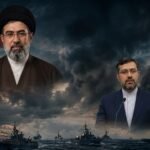
Iran on Saturday said it had once again shut the Strait of Hormuz to normal passage, abruptly reversing a reopening announced just a day earlier and deepening a standoff with Washington over the U.S. naval blockade of Iranian ports. The move raised immediate alarms across shipping and energy markets because the narrow waterway handles roughly a fifth of the world’s oil trade.
The trigger, at least publicly, was the U.S. decision not to ease its blockade. American officials have said the blockade, which began on April 13, applies to ships entering or leaving Iranian ports and coastal areas. On Saturday, AP reported that the U.S. military said it had already forced 23 ships to turn back since enforcement began. Iran responded by declaring that control of the strait had “returned to its previous state,” and warned that traffic would remain restricted as long as the U.S. measures stayed in force.
That reversal came fast. On Friday, Iranian officials had said the Strait of Hormuz was “completely open” to commercial vessels, a signal that briefly eased fears of a prolonged chokehold on one of the world’s most sensitive shipping lanes. Even then, though, the messaging carried a warning: Tehran made clear the arrangement could be revisited if the blockade continued. By Saturday morning, that warning had turned into policy.
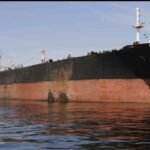
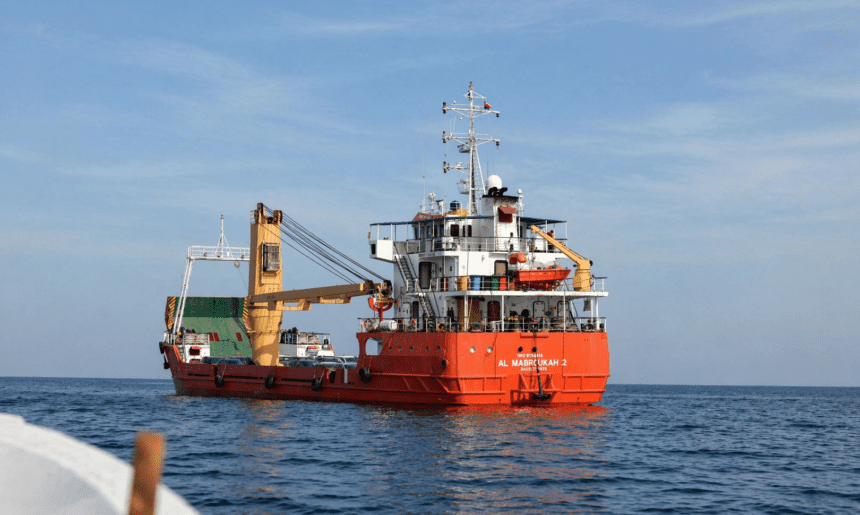
The security picture darkened almost immediately. AP reported that Iranian gunboats fired on a tanker trying to pass through the area, while another vessel was struck by an unidentified projectile. British maritime reporting cited in wider coverage also pointed to live-fire harassment near Omani waters. That matters because this was not just a legal or diplomatic dispute on paper; ships were already in or near transit when the new restrictions took hold.
There is also a deeper contradiction at the center of the crisis. The U.S. Central Command has publicly said its blockade is aimed at vessels entering or departing Iranian ports and that it does not intend to impede freedom of navigation for ships bound for non-Iranian destinations through Hormuz. Iran, by contrast, has treated continued American enforcement as grounds to tighten its own control over the strait, including talk of authorization rules, tolls and routing requirements overseen by the Revolutionary Guard. In other words, Washington says it is targeting Iran’s ports; Tehran is answering with pressure on the wider corridor.
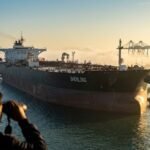
That distinction may end up being crucial in the coming days. Even limited interference in Hormuz can send insurers, tanker operators and governments scrambling. Markets do not need a full formal closure to panic; ambiguity is enough. And right now, ambiguity is everywhere. Iran says the strait is under strict military control. The U.S. says its blockade will remain. Commercial shipping, stuck between those two positions, is left to decide whether passage is still worth the risk.
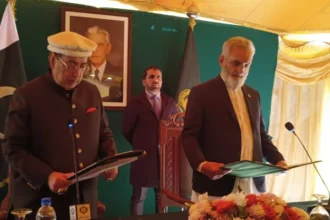
The broader backdrop is a fragile ceasefire environment after weeks of regional conflict and mediation. Reporting from AP, ABC and other outlets says indirect diplomacy is still being pursued, with Pakistan among the countries involved in trying to keep U.S.-Iran contacts alive. But Saturday’s developments suggest whatever opening existed on Friday was extremely narrow, and maybe temporary from the start.
For now, the practical reality is harsher than the headline language. This is not simply Iran “closing” Hormuz in a neat, uncontested sense, nor is it merely the U.S. “blockading” Iranian ports in isolation. It is a live power struggle playing out in one of the world’s most important maritime arteries, with commercial vessels caught in the middle and the risk of miscalculation rising by the hour.