The Trump administration has renewed a sanctions waiver that allows countries to keep buying certain Russian oil cargoes already at sea, extending the measure until May 16, 2026 and reviving a politically awkward debate in Washington over whether the White House is easing pressure on Moscow just as Russia’s war in Ukraine grinds deeper into another year.
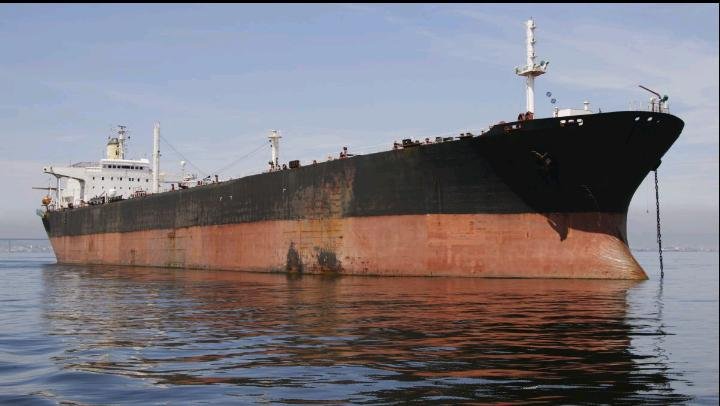
The waiver, issued by the U.S. Treasury Department on Friday, covers Russian crude oil and petroleum products that were loaded on vessels as of April 17. In plain terms, it gives buyers and shippers another month to complete deliveries without triggering U.S. sanctions. It replaces an earlier 30-day waiver that had expired on April 11. Treasury’s authorization still blocks transactions tied to Iran, Cuba, and North Korea, underscoring that the relief is narrow even if its political impact is much broader.
What makes the move especially striking is the timing. Just two days earlier, Treasury Secretary Scott Bessent had publicly said the administration would not renew either the Russian oil waiver or a similar one tied to Iranian oil. By Friday, that position had flipped. The administration did not immediately offer a full public explanation for the reversal, though Treasury indicated it wanted to make sure oil remained available as negotiations involving Iran moved ahead.
Behind the reversal is a much bigger energy story. The administration has been trying to contain price shocks linked to the wider Middle East crisis and the fallout from the U.S.-Israeli war on Iran. Reuters reported that countries in Asia pressed Washington to keep alternative supplies flowing, while AP described the extension as an effort to ease shortages tied to the Iran war. Global oil prices had already been swinging sharply amid the temporary reopening of the Strait of Hormuz, one of the world’s most sensitive shipping chokepoints.
That logic, though, has not gone down well with critics on Capitol Hill. A group of Democratic senators — Richard Blumenthal, Jeanne Shaheen, Sheldon Whitehouse, Chris Coons, Jacky Rosen, and Mark Kelly — had urged Bessent on April 10 to let the earlier waiver expire. In their letter, they argued that even limited sanctions relief risked handing Russia a continuing stream of revenue while it wages war in Ukraine. They also said the stated case for the waiver — stabilizing oil markets — had not clearly delivered the promised results.
Their language was unusually blunt. The senators warned that “every barrel” sold under the license could help sustain Russia’s military operations, and they said continuing to loosen sanctions sent a mixed signal about Washington’s commitment to economic pressure on the Kremlin. Blumenthal’s office also said the policy was reportedly giving Russia an additional $150 million per day in oil-related budget revenue, a figure critics have seized on as evidence that the waiver is doing more for Moscow than for market stability.
The broader tension here is hard to miss. On one side, the administration is trying to prevent a fresh energy crunch at a moment of regional turmoil. On the other, every temporary carve-out for Russian oil risks undercutting the sanctions architecture the U.S. and its allies built to squeeze the Kremlin after the invasion of Ukraine. That’s why this waiver, technical as it sounds, has landed as more than a bureaucratic extension. It’s become a test of how far Washington is willing to bend its Russia policy when oil markets get ugly.
For now, the practical effect is clear: Russian-origin oil already on tankers can keep moving for another month under U.S. authorization. The political effect may last longer. Critics will almost certainly argue the administration blinked, while Treasury is likely to keep framing the step as a temporary market-stabilization measure, not a retreat from sanctions. Either way, the May 16 deadline now becomes the next pressure point.