A remarkable climate record that stretches back more than 1,200 years in Japan is set to continue after the death of the scientist who had spent years keeping it alive. The dataset, centered on Kyoto’s cherry blossoms, traces peak bloom dates as far back as 812 and has become one of the world’s longest continuous phenology records. Recent reporting says a new Japan-based researcher has now stepped in to maintain it after the death of Professor Yasuyuki Aono in August 2025.
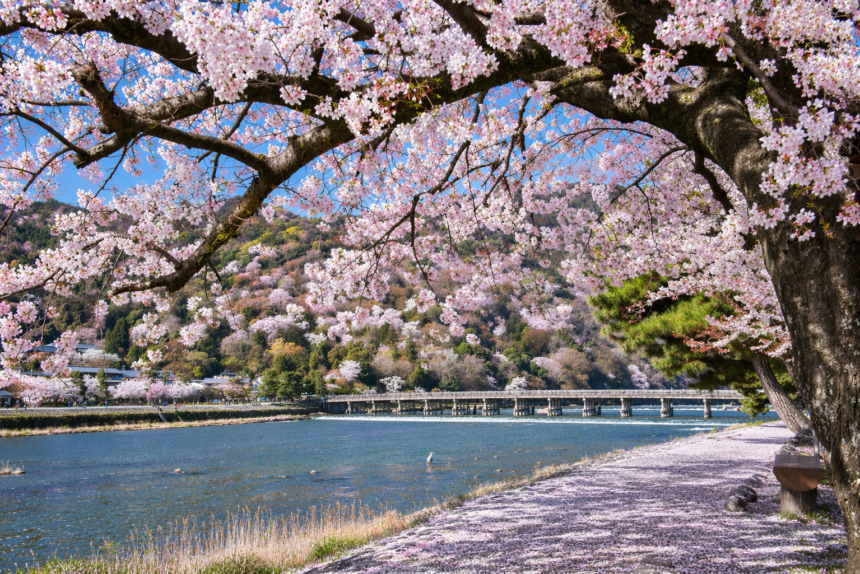
Aono, of Osaka Metropolitan University, had meticulously compiled and updated the record, focusing on Prunus jamasakura, or mountain cherry, in Arashiyama, Kyoto. Even after his death, concern over the future of the dataset did not last long: a replacement was found after observers noticed that the usual 2026 entry had not yet been filled in. According to recent coverage, the new keeper has chosen not to be publicly identified for now but is expected to continue the work.
The importance of the database goes well beyond seasonal beauty. Over time, Aono’s work helped show that cherry blossoms in Kyoto have been peaking earlier, a shift widely seen as a sign of rising spring temperatures. Analyses based on the long-run record have linked earlier flowering to warming conditions, and recent summaries note that 2021 and 2023 were among the earliest peak bloom years in the series.
That’s what makes the continuation of the archive such a big deal. A single season’s bloom can seem like a fleeting cultural event, but across centuries it becomes something else entirely: evidence. The record is built from historical diaries, chronicles and observations left by emperors, aristocrats, governors and monks in Kyoto, then carried forward into the present through modern scientific tracking.
In Japan, cherry blossoms are deeply tied to memory, ritual and the arrival of spring. But for climate researchers, they also offer something rare: a long, location-specific timeline that helps show how nature is responding to a warming world. That is why the handover matters. It is not simply about preserving a tradition. It is about protecting a living scientific record that still has more to say.
The continuation of the Kyoto blossom archive also highlights a quieter truth about science: some of the most valuable records in the world depend on patient individuals who keep showing up year after year. Aono did that. Now, someone else will. And with each spring entry, the database will keep measuring not just bloom, but change.