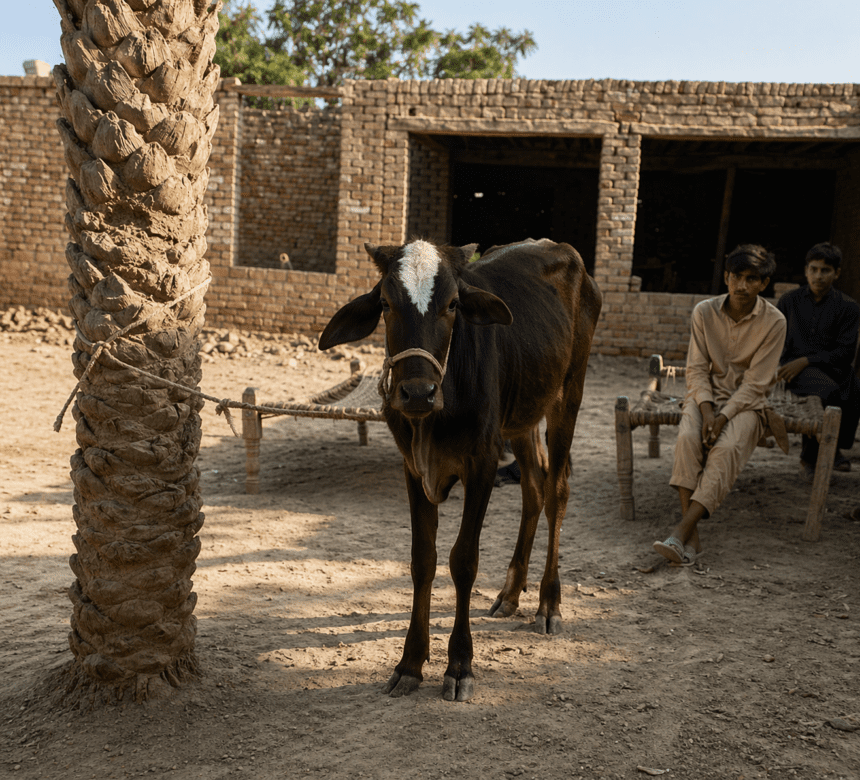
According to reports, the accused was transporting fodder in a loader rickshaw when the animal ate some of it on the way. Police said the man then cut off the animal’s tongue with a sickle. District police took notice of the case and arrested the suspect.
The case landed at a time when animal abuse incidents were already drawing public anger across Pakistan. In the same stretch of 2024, another case from Muzaffargarh’s Jatoi Tehsil involved a landlord accused of chopping off a donkey’s legs after it wandered into his field in search of water, a case also reported by Pakistani media and in its animal-cruelty coverage.
That pattern matters. These weren’t isolated headlines dropped into the news cycle and forgotten. They fed a wider debate about whether Pakistan’s animal-protection laws are too weak, too old, or simply not enforced with any real seriousness. Pakistan’s anti-cruelty framework is still rooted in the Prevention of Cruelty to Animals Act, 1890, a colonial-era law that prohibits acts including mutilation and other forms of cruelty.
Even where legal penalties exist, enforcement has often looked patchy. That gap between the law on paper and what happens on the ground has become a recurring point of criticism from animal-rights advocates, especially after a series of high-profile abuse cases involving camels, donkeys, zoo animals and stray dogs. Public concern over animal treatment had already been amplified by earlier abuse cases and by long-running criticism of conditions in Pakistan’s zoos.
For residents and campaigners, the horror of these incidents is not just in the violence itself, but in how casually it seems to unfold: an animal strays, eats fodder, enters a field, and is met with mutilation. That, more than anything, is what keeps reigniting the same question every few weeks in Pakistan: how many more cases will it take before cruelty to animals is treated as a serious crime rather than a passing outrage?