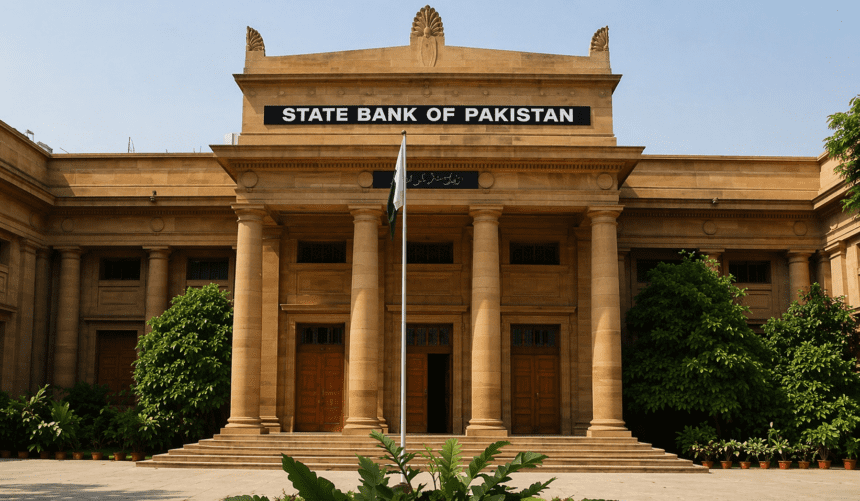
KARACHI: Pakistan has repaid $2 billion to the United Arab Emirates, the State Bank of Pakistan said on Saturday, confirming a move that had been hanging over the country’s external account for weeks and had already stirred fresh concern about foreign exchange buffers.
The amount had been parked with the central bank as a safe deposit, according to the SBP. Local reporting earlier this month said Pakistan had been paying roughly 6% interest on the facility and had been seeking a longer rollover, but the arrangement was ultimately not extended on the terms Islamabad wanted.
The repayment matters because Pakistan’s reserves were only just beginning to look a little steadier. SBP data shows its net reserves stood at $16.40 billion on April 3, 2026, before dropping to $15.08 billion by April 10, while total liquid foreign exchange reserves slipped from $21.89 billion to $20.52 billion over the same period. That was before Saturday’s confirmation of the UAE repayment, so markets and analysts will now be watching the next reserves release closely.
There is, though, another side to the story. Just days before the repayment was confirmed, Pakistan said it had secured $3 billion in financial support from Saudi Arabia, with the finance ministry saying disbursement was expected within the following week. Bloomberg reported that the support was intended to help shore up reserves and cushion the impact of the UAE outflow.
That softens the blow, at least on paper. Still, the episode is a reminder of how dependent Pakistan remains on friendly deposits and bilateral support to manage its external financing needs. Earlier reports said the UAE facility was part of a broader $3 billion placement made in tranches, with another $1 billion tranche due to mature later in 2026.
Officials have not, at least in the material reviewed here, laid out a detailed public explanation beyond confirming the repayment. But the sequence is fairly clear: short-term rollovers bought Pakistan some time, Saudi support was lined up, and then the UAE money was returned. In practical terms, that means the immediate stress may be manageable, but the underlying vulnerability has not gone away.
For investors and policymakers, the next real clue will be the reserves data. That will show whether incoming support has fully offset the outflow, or whether Pakistan is once again entering a tighter stretch on the external front.