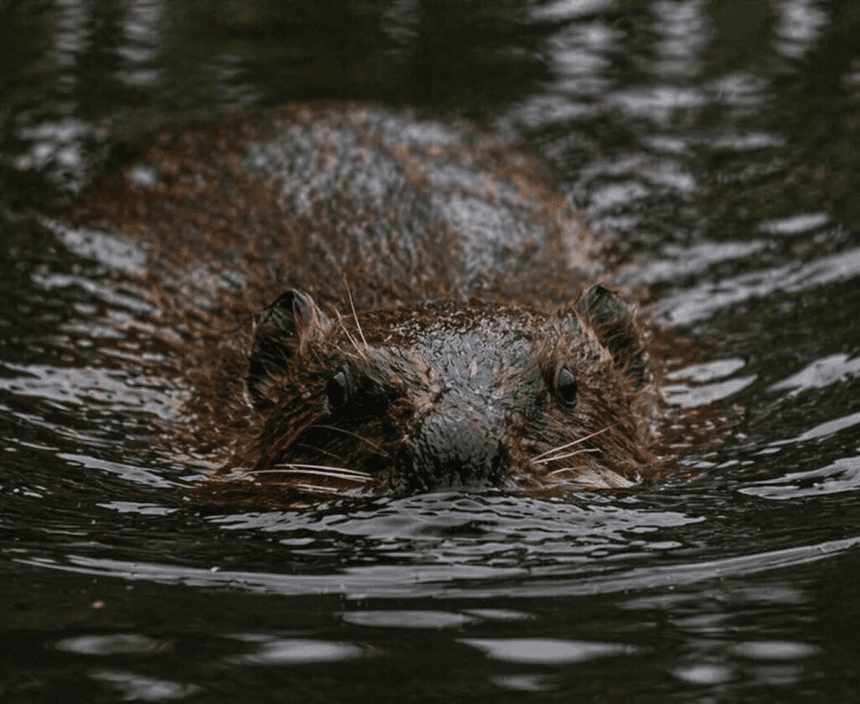
Parts of England are being prepared for possible future beaver releases as conservation groups and officials step up planning for the return of the native species to more waterways. The work is not just about finding a river and opening a crate. It involves mapping suitable habitat, assessing flood and infrastructure risks, and preparing landowners for how to live alongside an animal that can dramatically reshape wetlands.
The push gathered pace after the government opened a formal route for licensed wild releases in England. Under that system, projects must show clear environmental benefits and set out how risks will be avoided, reduced, or managed over the long term. In practice, that has meant months of groundwork before any release can happen, especially in catchments where farmers, residents, and conservation bodies all have a stake in what comes next.
A big part of that preparation is what campaigners have started calling becoming “beaver-ready.” New guidance published this month by The Wildlife Trusts and Beaver Trust says farmers and land managers need long-term funding, restored riverbanks, wetland-friendly land management and access to practical support if releases are going to work without triggering backlash. The argument is pretty simple: beavers may bring biodiversity gains, better water storage and natural flood management, but those benefits are much easier to secure when communities are prepared before the animals arrive.
Natural England has also rolled out a new mapping system, the Beaver Considerations Assessment Toolkit, to help identify where beavers are likely to thrive, where they may build dams and how they could interact with roads, farmland, habitats and other infrastructure. That sort of early screening is becoming central to release planning, especially in places trying to avoid the old pattern of enthusiasm first and conflict later.
Some projects have already moved beyond preparation and into action. In Cornwall, one of the first wild beaver releases in England to go through the formal application process took place in February, a step conservation groups described as a precedent for future releases elsewhere. Cornwall Wildlife Trust says it had already been collecting catchment data and preparing a management plan to support landowners affected by any wild release.
Elsewhere, more landscapes are lining up. The Natural History Museum reported in February that around 100 beavers were expected to be reintroduced across the UK this year, with more releases planned after recent projects on National Trust land in Somerset and earlier moves in Dorset. That does not mean every “beaver-ready” area will get animals immediately, but it does show the direction of travel: more sites are doing the preparatory work now so they are in a position to apply when the moment comes.
For supporters, the case is ecological as much as symbolic. Beavers are seen as natural engineers, capable of slowing water, creating wetlands and boosting habitat for other species. For critics, especially some farmers, the concern is that those same habits can flood land or complicate drainage. That tension is exactly why so much attention is now being paid to making areas “beaver-ready” before any release goes ahead.
Across parts of England, the real work is happening before the beavers arrive: mapping rivers, testing plans, briefing landowners and trying to make sure that when releases do happen, they do not come as a surprise.