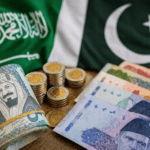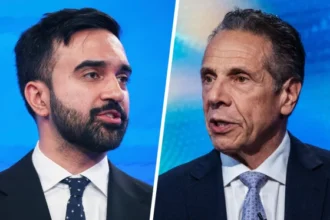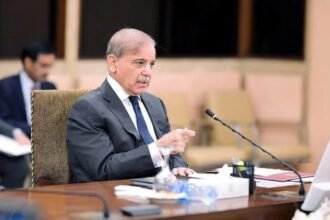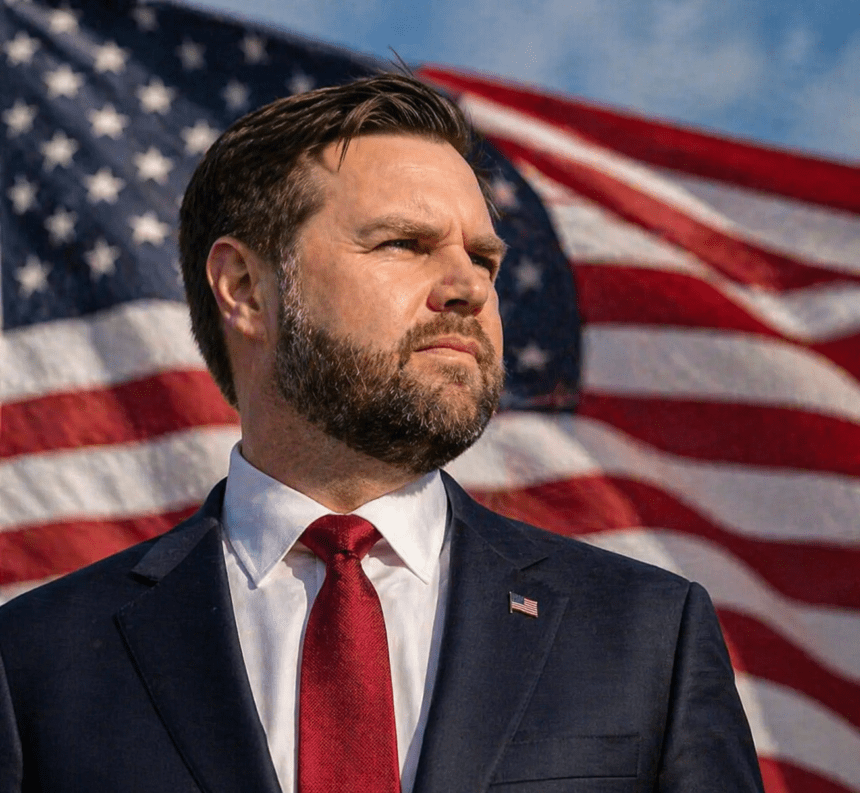
A planned U.S. trip to Pakistan for another round of high-stakes peace talks with Iran has been thrown into doubt, with Vice President JD Vance still in Washington as the ceasefire clock runs down and Tehran yet to confirm whether it will even show up. Pakistani officials said on April 21, 2026, that they were still waiting for a formal Iranian response on participation in the proposed Islamabad talks.
That has left the diplomatic effort hanging at a pretty delicate moment. The current ceasefire is due to expire on Wednesday, April 22, and the uncertainty over Iran’s attendance has raised fresh doubts about whether a second round of face-to-face negotiations can happen in time to prevent another escalation.
Vance had been expected to lead the American side, alongside envoy Steve Witkoff and adviser Jared Kushner, if Iran agreed to return to the table. But reporting on Tuesday said the U.S. delegation’s departure had been delayed, with Vance tied up in additional policy meetings while Washington weighed its next move.
The backdrop is tense, and honestly, that may be putting it mildly. The first round of talks in Islamabad earlier this month was already the highest-level direct U.S.-Iran engagement in decades, but it ended without a deal. Since then, both sides have kept talking tough, and the ceasefire has looked more like a narrow opening than anything durable.
Pakistan, which is hosting the talks, is still trying to keep the diplomatic track alive. Officials there have urged both sides to extend the ceasefire and return to negotiations, even as signs from Tehran remain mixed and no Iranian delegation had arrived in Islamabad by Tuesday.
For now, the headline is less about a formal cancellation and more about uncertainty. Vance’s trip is on hold because the talks themselves are on shaky ground. Iran has not firmly committed, the U.S. team has not departed, and the window for diplomacy is narrowing fast.
If negotiations do not resume before the deadline, attention is likely to swing back to what comes next militarily and politically. That is the real pressure point now. Not just whether Vance boards a plane, but whether there is still a peace process left to board it for.