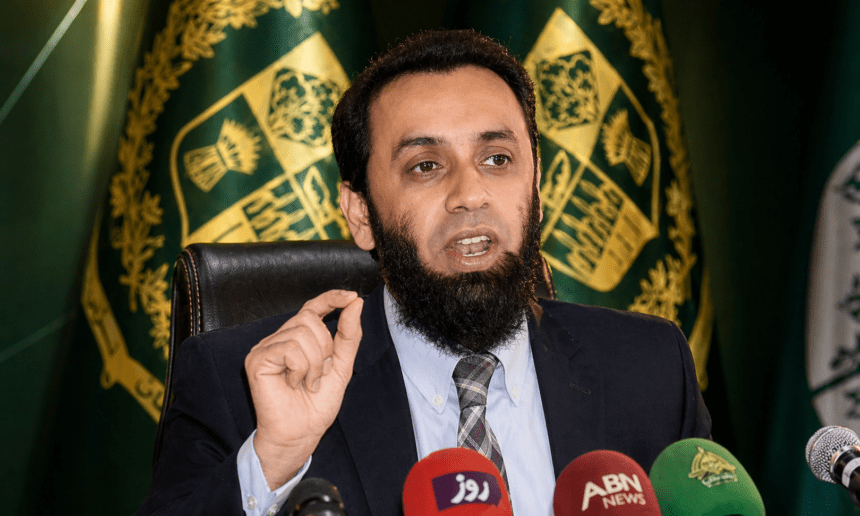
A year after the deadly Pahalgam attack that killed 26 people in Indian-administered Kashmir, Pakistan’s Information Minister Attaullah Tarar said India still had not publicly produced evidence to support its allegations against Islamabad. Tarar’s remarks came on Wednesday, April 22, 2026, the first anniversary of the assault, as both sides returned to sharply different narratives around one of the region’s most consequential attacks in recent years.
The attack took place on April 22, 2025, in the Baisaran area near Pahalgam, a well-known tourist destination in Kashmir. Gunmen opened fire on visitors, killing 26 civilians in what was widely described as the deadliest attack on tourists in the area in years. The massacre triggered outrage across India, set off a major security response, and pushed already fragile India-Pakistan ties into another dangerous spiral.
In his anniversary statement, Tarar argued that India had spent the past year repeating accusations without making its case in public with verifiable proof. That line is consistent with Pakistan’s position since the immediate aftermath of the attack, when Islamabad rejected India’s claims, denied involvement, and called for a neutral or transparent investigation. Pakistani officials, including Prime Minister Shehbaz Sharif and Foreign Minister Ishaq Dar, had made similar arguments in the days following the killings.
India, for its part, has never softened its stance. Indian officials blamed Pakistan-based or Pakistan-backed elements soon after the attack, and New Delhi folded that accusation into a broader diplomatic and security response. India’s official messaging after the crisis, including statements around Operation Sindoor, explicitly said the April 22, 2025 assault had been carried out by “Pakistani and Pakistan-trained terrorists” linked to Lashkar-e-Taiba. India also took punitive measures last year that included suspending the Indus Waters Treaty, closing the Attari land crossing, and downgrading ties.
On the anniversary itself, the Indian side leaned heavily into remembrance and resolve. Prime Minister Narendra Modi paid tribute to the victims and said they “will never be forgotten,” while reiterating that India would not bow to terror. Indian media reports also said security had been tightened across parts of Kashmir ahead of the anniversary, a sign that the attack still carries both emotional and operational weight in the Valley.
What remains striking, though, is that the public space is still dominated by competing official claims rather than a jointly accepted evidentiary record. Indian accounts over the past year have pointed to links between the attackers and Pakistan-based groups, particularly Lashkar-e-Taiba and its proxy, The Resistance Front. Pakistan has dismissed those allegations as politically motivated and unproven. That gap — between India’s insistence and Pakistan’s denial — is exactly where Tarar’s anniversary remarks land.
The fallout from Pahalgam went far beyond rhetoric. In the weeks after the attack, tensions surged along the Line of Control and in broader bilateral ties. International reporting at the time described cross-border firing, diplomatic expulsions, trade and travel restrictions, and growing fears of military escalation between the two nuclear-armed neighbours. Pakistan denied responsibility throughout, but the accusation itself became the basis for one of the sharpest downturns in relations in years.
One year later, the political positions are basically frozen. India continues to describe the attack as part of a Pakistan-backed terror ecosystem. Pakistan continues to say the charge has not been substantiated. For the families of the 26 victims, that diplomatic deadlock offers little comfort. The anniversary has revived grief, yes, but also the unresolved central question that still divides the two capitals: not whether the attack happened, but whether the case against Pakistan has been credibly demonstrated in public.