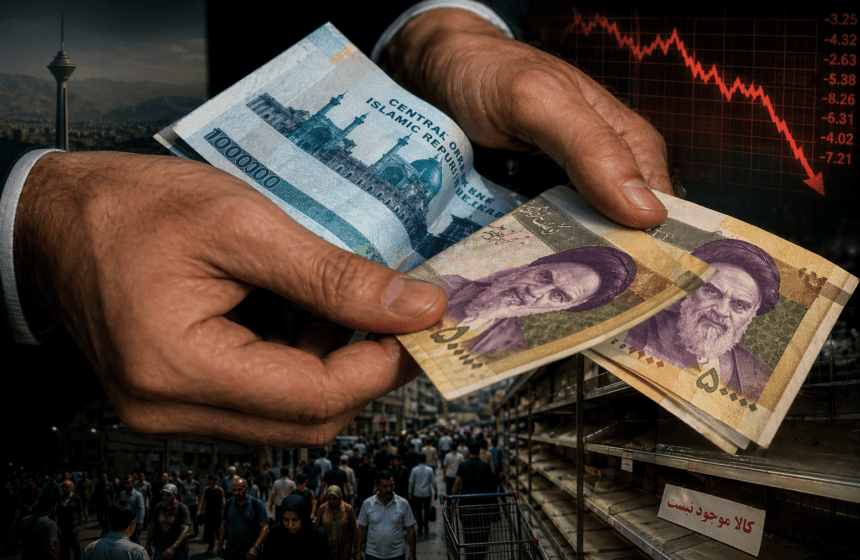
The Iranian Rial is trading at a significant discount in Pakistan’s open market today, April 22, 2026, as lingering geopolitical uncertainty continues to disrupt cross-border trade. While the official exchange rate remains pegged by Tehran, the street rate in major hubs like Quetta and Karachi shows a widening gap, leaving traders struggling to set consistent prices.
Local money changers are quoting the Rial at roughly 0.0065 to 0.0070 PKR, though rates fluctuate wildly depending on the availability of physical currency. The scarcity of legal banking channels between the two neighbors has forced most transactions into the informal *hawala* system, where risk premiums are currently at an all-time high.
“Nobody wants to hold Rials right now,” said a currency dealer based in Karachi’s I.I. Chundrigar Road. “The demand for dollars is constant, but the Rial is a gamble. If the border situation shifts, your inventory loses value overnight.”
This volatility is hitting the border trade hard. Small-scale exporters of rice, textiles, and fruits—who rely on the informal exchange to bypass the lack of direct banking—are reporting a sharp decline in profit margins. Traders are increasingly demanding payment in Pakistani Rupees or barter goods, wary of the Rial’s unpredictable swings.
The State Bank of Pakistan has maintained a cautious distance from the Iranian currency market, largely due to the risk of secondary sanctions. For the average trader, this means there is no safety net when deals go sideways. The lack of an official clearinghouse between the two central banks keeps the trade volume in the shadow economy, effectively invisible to regulators but vital to the local border-town economies.
With no immediate thaw in the regional diplomatic standoff, the Rial will likely continue to trade with a heavy discount. For those caught in the middle, the cost of doing business is no longer just about the exchange rate—it’s about the sheer risk of holding the currency at all.