By using this site, you agree to the Privacy Policy and Terms of Use.
Accept
Media HydeMedia Hyde
  • Home
  • Politics
  • Education
  • Entertainment
  • Sports
  • Blogs
  • Business & Commerce
  • Others
    • Religious
    • Metropolitan
    • Climate and Weather
Font ResizerAa
Media HydeMedia Hyde
Font ResizerAa
  • Home
  • Politics
  • Education
  • Entertainment
  • Sports
  • Blogs
  • Business & Commerce
  • Others
    • Religious
    • Metropolitan
    • Climate and Weather
Follow US
© 2026 Media Hyde Network. All Rights Reserved.
Business & Commerce

Iranian Rial Remains Volatile in Pakistan’s Informal Markets Amid Regional Tension

Last updated: April 22, 2026 4:21 pm
Ayan Ahmed
Share
SHARE


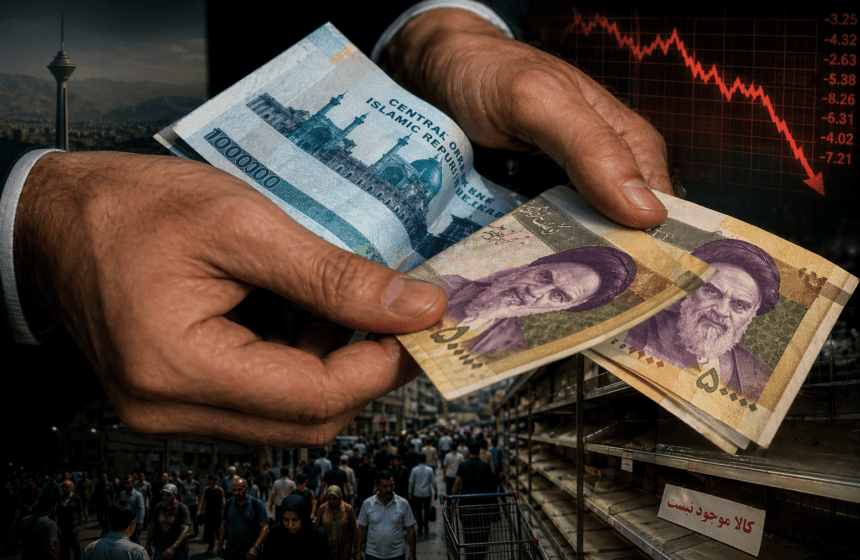
The Iranian Rial is trading at a significant discount in Pakistan’s open market today, April 22, 2026, as lingering geopolitical uncertainty continues to disrupt cross-border trade. While the official exchange rate remains pegged by Tehran, the street rate in major hubs like Quetta and Karachi shows a widening gap, leaving traders struggling to set consistent prices.

Local money changers are quoting the Rial at roughly 0.0065 to 0.0070 PKR, though rates fluctuate wildly depending on the availability of physical currency. The scarcity of legal banking channels between the two neighbors has forced most transactions into the informal *hawala* system, where risk premiums are currently at an all-time high.

“Nobody wants to hold Rials right now,” said a currency dealer based in Karachi’s I.I. Chundrigar Road. “The demand for dollars is constant, but the Rial is a gamble. If the border situation shifts, your inventory loses value overnight.”

This volatility is hitting the border trade hard. Small-scale exporters of rice, textiles, and fruits—who rely on the informal exchange to bypass the lack of direct banking—are reporting a sharp decline in profit margins. Traders are increasingly demanding payment in Pakistani Rupees or barter goods, wary of the Rial’s unpredictable swings.

The State Bank of Pakistan has maintained a cautious distance from the Iranian currency market, largely due to the risk of secondary sanctions. For the average trader, this means there is no safety net when deals go sideways. The lack of an official clearinghouse between the two central banks keeps the trade volume in the shadow economy, effectively invisible to regulators but vital to the local border-town economies.

With no immediate thaw in the regional diplomatic standoff, the Rial will likely continue to trade with a heavy discount. For those caught in the middle, the cost of doing business is no longer just about the exchange rate—it’s about the sheer risk of holding the currency at all.


Share This Article
Email Copy Link Print
Previous Article Japan’s Nankai Trough Fears: Why Experts Are Bracing for the “Big One”
Next Article Sindh Scraps Red Line BRT Contract, Seeks Emergency Re-tendering
Leave a Comment

Leave a Reply Cancel reply

Your email address will not be published. Required fields are marked *

Sponsored Ads

Stay Connected

FacebookLike
XFollow
InstagramFollow
YoutubeSubscribe
WhatsAppFollow
ThreadsFollow
Court suspends red warrants for PM Shehbaz’s daughter and son-in-law
Politics
April 22, 2026
Virginia Vote on New Congressional Map Could Shift Power in U.S. Midterms
Blog
April 22, 2026
Pakistan Overhauls Airport Security with Unified Command Structure
Travel
April 22, 2026
Silver Prices in Pakistan: April 22, 2026
Business & Commerce
April 22, 2026
Pakistan Joins China’s Space Ambitions: Two Astronauts Selected for Training
Technology
April 22, 2026
Indonesia denounces Israel ‘propaganda’ banner over Gaza hospital ruins
World
April 22, 2026

You Might Also Like

Business & Commerce

ADB Warns Pakistan Falling Behind in Digital Trade Reforms

By
Adnan Mughal
Nestlé India Profit Jumps 26% on Strong Demand; Shares Rally to Record High
Business & Commerce

Nestlé India Profit Jumps 26% on Strong Demand; Shares Rally to Record High

By
Misbah Jogyat
The Trump administration on Saturday renewed a waiver allowing countries to buy sanctioned Russian oil at sea for about a month, even as lawmakers accused the government of going easy on Moscow as its war on Ukraine grinds on.
Business & Commerce

The Trump administration on Saturday renewed a waiver allowing countries to buy sanctioned Russian oil at sea for about a month, even as lawmakers accused the government of going easy on Moscow as its war on Ukraine grinds on.

By
Yamna Shahid
Business & Commerce

Bull Run Continues at PSX Amid IMF Deal and Current Account Surplus

By
Hannan Kaimkhani
Media Hyde Media Hyde Dark
Facebook Twitter Youtube Rss Medium

About US

Media Hyde Network: Your instant connection to breaking stories and live updates. Stay informed with our real-time coverage across politics, tech, entertainment, and more. Your reliable source for 24/7 News.

Top Categories
  • Headline
  • Politics
  • Entertainment
  • Education
  • Sports
  • Religious
  • Metropolitan
  • Climate and Weather
Usefull Links
  • Contact Us
  • Disclaimer
  • Privacy Policy
  • Cookies Policy
  • Advertising Policy
  • Terms & Conditions

© 2025 Media Hyde Network. All Rights Reserved.

Welcome Back!

Sign in to your account

Username or Email Address
Password

Lost your password?