The European Union has moved to unblock a €90 billion loan package for Ukraine after a months-long deadlock tied to the Druzhba oil pipeline finally eased. The breakthrough came after Ukraine completed repairs to the damaged pipeline and oil transit toward Hungary and Slovakia resumed, removing the main political obstacle that had held up the financing.
EU envoys backed the package on April 22, with the loan intended to cover a large share of Ukraine’s financing needs for 2026 and 2027. According to current reporting, the support is expected to be structured in two €45 billion interest-free installments, with repayment linked to future Russian reparations once the war ends. An earlier EU Council statement had already set out the legal framework for a €90 billion support mechanism and said officials wanted the first disbursement made as early as the second quarter of the year.
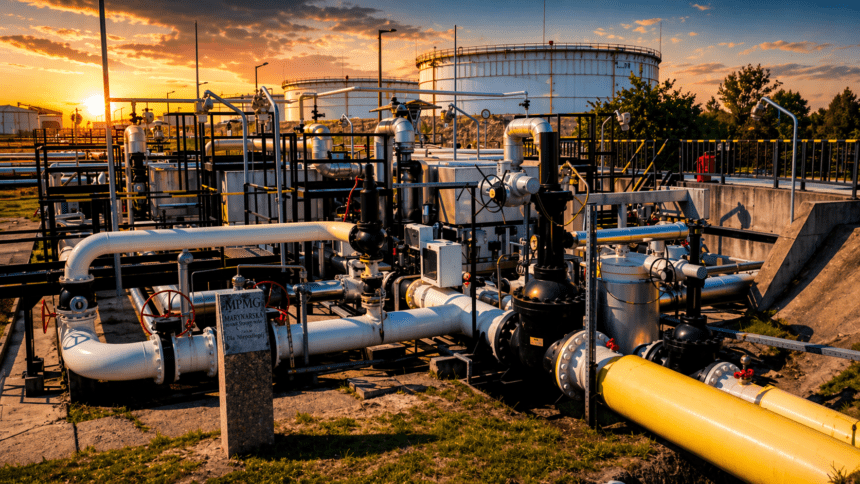
The standoff had centered on Hungary’s objections. Budapest had blocked the package during a dispute over oil flows through the Druzhba pipeline, which remains a critical supply route for Hungary and Slovakia. Once repairs were completed and transit was restored, that veto was lifted, allowing the loan to move forward.
For Kyiv, the decision is more than a technical budget matter. Ukraine has been pressing European partners for predictable long-term financing as the war drags on and state spending pressures deepen. President Volodymyr Zelenskyy described the EU’s move as “the right signal,” framing it as proof that political support can still translate into hard financial backing even after weeks of uncertainty.
The wider message is unmistakable: Europe has found a way, at least for now, to push past one of the bloc’s most sensitive internal disputes and keep major support flowing to Ukraine. But the episode also showed how vulnerable wartime financing can be to energy politics, transit routes, and a single member state’s veto. That part of the story is not going away.