ISLAMABAD — Prime Minister Shehbaz Sharif on Wednesday reiterated the federal government’s firm resolve to eliminate polio from Pakistan, highlighting significant progress with only one case reported so far in 2026.
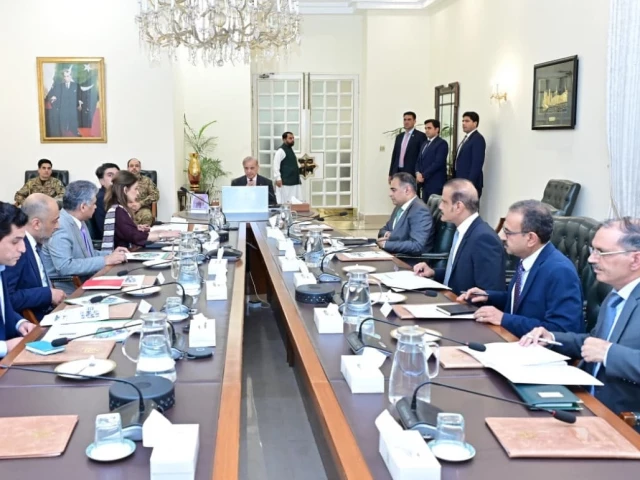
Presiding over a high‑level review meeting on polio eradication at the Prime Minister’s House, Shehbaz applauded the “tireless efforts” of frontline health workers and anti‑polio teams nationwide, underlining that wiping out the disease remains a top national priority.
Officials at the briefing informed the prime minister that the lone case this year came from Sujawal district in Sindh, compared with 74 cases in 2024 and 31 in 2025, marking a notable downward trend in poliovirus transmission.
The meeting also heard that the number of polio‑affected districts has shrunk substantially—from 67 in the first quarter of 2025 to just 23 in the first quarter of 2026—reflecting strengthened control measures and vaccination outreach.
National household coverage during anti‑polio campaigns has stayed high at about 98 percent, according to officials, and enhanced access to previously hard‑to‑reach areas—especially in southern Khyber Pakhtunkhwa—has reduced the number of children missing polio drops.
Encouraging environmental surveillance results were also shared, showing that 10 out of 12 sites in Karachi tested negative for poliovirus in March, while no new cases have been reported in other major regions including Punjab, Balochistan, Islamabad, Gilgit‑Baltistan and Azad Jammu and Kashmir.
Shehbaz stressed that continued coordination among federal and provincial governments, partner organisations and health workers is essential to reach the ultimate goal of a polio‑free Pakistan. Officials are finalising a strategy to integrate the Expanded Programme on Immunization (EPI) with the Polio Eradication Initiative to reinforce vaccination efforts nationwide.
As part of broader efforts, the second nationwide anti‑polio campaign earlier this month successfully administered drops to millions of children across provinces, with reports showing strong participation from communities and improved coverage rates.
Despite the progress, public health experts continue to urge sustained vigilance and support for immunisation, warning that even a small number of missed children could allow the virus to persist if efforts wane.