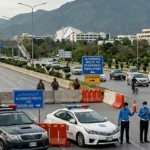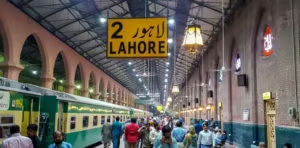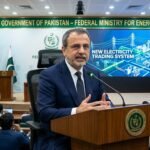
A planned US diplomatic trip to Pakistan aimed at reviving talks with Iran was abruptly called off on Friday, after Iranian Foreign Minister Abbas Araghchi wrapped up his visit to Islamabad and left the country without any meeting taking place with American officials. President Donald Trump said he had decided against sending envoys Steve Witkoff and Jared Kushner, arguing that there was little point in dispatching a team when, in his view, Iran’s leadership was not aligned and the US already held the leverage.
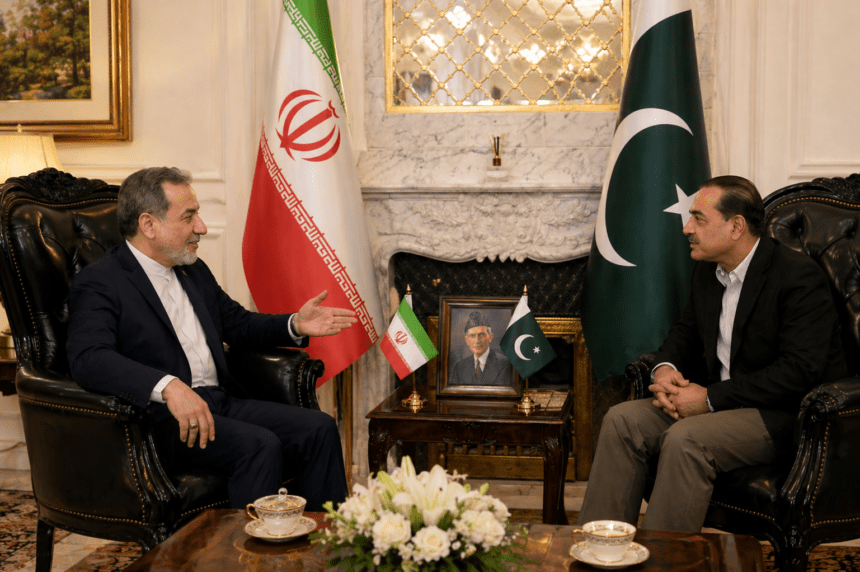
The cancellation landed almost as soon as Araghchi’s Pakistan stop ended, which made the timing hard to ignore. During his visit, Araghchi met Prime Minister Shehbaz Sharif and Army Chief Asim Munir, with discussions centered on regional stability and the broader crisis surrounding the US-Iran confrontation. Iranian officials, though, had been publicly downplaying the idea that Islamabad would host a fresh direct round with Washington, insisting the visit was bilateral rather than part of a three-way negotiation track.
That mattered because the White House had signaled only a day earlier that Witkoff and Kushner were expected to travel to Pakistan for another push at diplomacy. By Friday, that plan was dead. Trump said Iran could reach out if it wanted serious talks, but made clear he was no longer interested in sending senior envoys into what he saw as a muddled setup. Barron’s and the Associated Press both reported that the administration framed the move as a response to stalled diplomacy and confusion inside the Iranian system.
The episode is the latest twist in a negotiation effort that has looked fragile for days. Earlier talks in Islamabad had already failed to produce a breakthrough, and other reports this week pointed to postponements, uncertainty over participation, and Iranian reluctance to return to the table under pressure from US demands and military moves in and around the Gulf.
What makes Pakistan’s role notable is that Islamabad has been trying to keep itself positioned as a useful intermediary without appearing to own the process. That balancing act is getting harder. Araghchi’s visit gave Pakistan a moment at the center of regional diplomacy, but Trump’s decision to cancel the US leg underscored just how quickly that opening can narrow when Washington and Tehran are still talking past each other.
For now, the result is a familiar one: no meeting, no new framework, and no real sign that the two sides are any closer to a durable channel. Diplomacy has not formally collapsed, but it is limping. And in a crisis already shaking energy markets and wider regional security calculations, that is not a small detail.