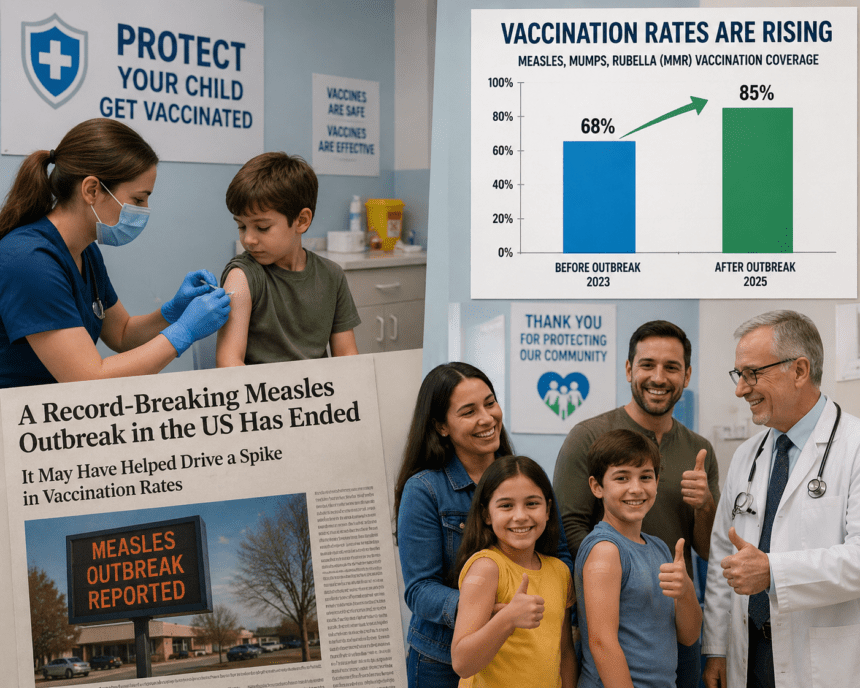
A record-breaking measles outbreak in the United States has officially come to an end, health authorities confirmed, marking the close of one of the largest resurgences of the disease in recent years.
According to public health officials, the outbreak—spanning multiple states—resulted in a significant number of infections, largely concentrated in communities with low vaccination coverage. The spread of the highly contagious virus raised concerns among health experts about declining immunization rates and gaps in public health outreach.
However, the outbreak appears to have had a secondary effect: a sharp increase in vaccination uptake. Clinics and healthcare providers across affected regions reported a surge in demand for the measles, mumps, and rubella (MMR) vaccine, particularly among parents who had previously delayed or declined immunizations for their children.
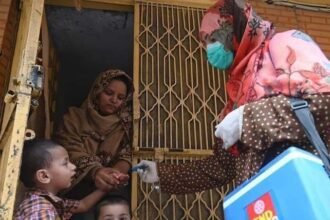
Officials say intensified public awareness campaigns, combined with the visible impact of the outbreak, played a key role in encouraging more people to get vaccinated. Emergency response measures—including school advisories, mobile vaccination units, and community outreach—also contributed to improving coverage.
Health experts caution that while the rise in vaccinations is a positive development, maintaining high immunization rates is essential to prevent future outbreaks. Measles requires around 95% vaccination coverage to achieve herd immunity, a threshold that some communities had fallen below prior to the outbreak.
The Centers for Disease Control and Prevention (CDC) emphasized that continued efforts are needed to address vaccine hesitancy and ensure equitable access to immunization services.
While the end of the outbreak marks a public health success, officials warn that measles remains a global threat, and imported cases could trigger new outbreaks if vaccination levels decline again.