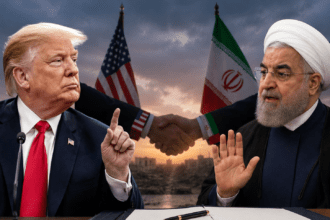
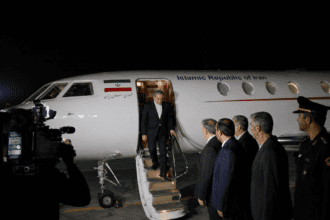
Iran has signaled a tactical shift in its foreign policy, proposing to shelve stalled nuclear negotiations in favor of a security-focused dialogue centered on the Strait of Hormuz. The offer, delivered through backchannel communications with Western intermediaries, aims to de-escalate regional maritime tensions while effectively freezing the contentious debate over Tehran’s uranium enrichment program. The shift comes as global shipping costs spike and regional instability threatens critical oil supply routes. By placing the Strait at the forefront, Tehran is attempting to reframe its international standing from that of a pariah state under nuclear sanctions to a key guarantor of global energy security. “The nuclear file is currently a dead end,” a senior diplomatic source familiar with the proposal told reporters on condition of anonymity. “Tehran is testing whether the West values the free flow of oil more than the containment of its centrifuges.” The proposal suggests a multilateral security pact for the Persian Gulf, involving regional players and international maritime monitors. If accepted, it would create a buffer zone in the Strait, where Iran has previously seized tankers and harassed commercial vessels. For the Biden administration and European signatories, the plan presents a difficult dilemma: engaging on maritime security could stabilize oil markets, but it risks ceding leverage on the nuclear issue. Analysts remain skeptical of the pivot. Critics point out that Iran’s previous maritime provocations were often used as bargaining chips to extract concessions on sanctions. By separating the two issues, Tehran may be attempting to decouple its economic recovery from the strictures of the Joint Comprehensive Plan of Action (JCPOA). “This is classic hedging,” said a veteran energy analyst tracking the region. “If they can secure a maritime deal, they gain a degree of legitimacy and potentially ease the pressure on their oil exports without having to dismantle their nuclear infrastructure.” Washington has yet to issue a formal response, though officials in the State Department have long maintained that regional security and the nuclear program are inextricably linked. For now, the proposal sits on the table, forcing Western powers to decide if a limited deal on maritime traffic is a pragmatic compromise or a dangerous distraction from the nuclear threat. Whether this offer marks a genuine attempt at regional de-escalation or a calculated move to buy time for the nuclear program, the focus has moved. For the moment, the Strait of Hormuz is the new front line of Middle Eastern diplomacy.
Iran Prioritizes Strait of Hormuz Over Nuclear Talks in New Proposal



Leave a Comment