The United States says Iran’s national team will be allowed to take part in the 2026 FIFA World Cup, easing one of the biggest questions hanging over the tournament. But Washington has also made clear that any individuals tied to Iran’s Islamic Revolutionary Guard Corps, or IRGC, should not expect the same treatment.
That distinction matters. A lot. It suggests the Trump administration is trying to separate the football team from the wider confrontation with Tehran, even as security and visa politics continue to stalk the run-up to a World Cup that the U.S. is co-hosting with Canada and Mexico. Secretary of State Marco Rubio said the U.S. has no issue with Iranian athletes competing, while warning that people with militant ties could not simply enter the country under the cover of a sporting delegation.
The remark came after a noisy, and frankly awkward, side story in Europe. Paolo Zampolli, a Trump ally and special envoy, floated the idea that Italy could replace Iran in the tournament if Tehran did not take part. That proposal went nowhere fast. Italian officials publicly rejected it, stressing that places at the World Cup are earned on the field, not handed out because of geopolitics or late lobbying. Italy, after all, did not qualify.
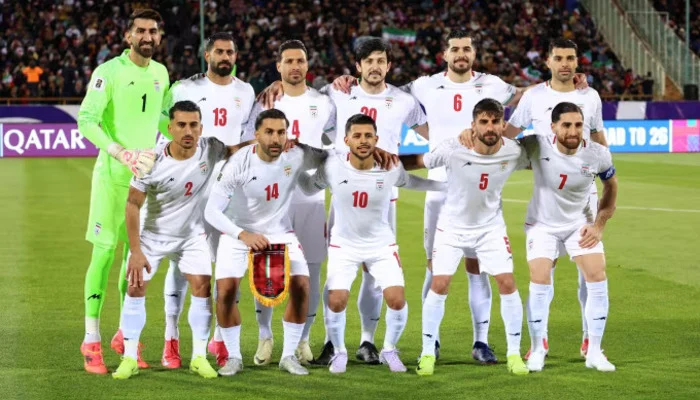
FIFA, for its part, has shown little appetite for rewriting the bracket. The governing body has kept Iran in the competition and the published schedule still lists the team in Group G. Iran is due to open against New Zealand in Los Angeles on June 15, then face Belgium in Seattle on June 21, before returning to Los Angeles to play Egypt on June 26. FIFA President Gianni Infantino has also said Iran should play and argued that sport ought to stay outside politics.
That doesn’t mean the issue is settled in any simple sense. It isn’t. The real tension now is less about whether Iran’s players can appear on the pitch and more about who gets to travel with them, how visa decisions are made, and whether security concerns could still complicate logistics. The IRGC remains on the U.S. list of Foreign Terrorist Organizations, which gives Washington a legal and political basis for barring linked individuals even while allowing the team itself to compete.
There has already been friction around that broader question. Earlier reporting showed Iranian officials complaining about visa obstacles affecting football administrators, and tensions over access have fed doubts in Tehran about how smoothly World Cup participation would work under U.S. hosting arrangements. Those concerns have not pushed FIFA to alter the tournament lineup, but they have kept the story alive well beyond sport.
For now, the U.S. message is simple, even if the politics around it are anything but: Iran’s players can come, play, and leave. Anyone Washington sees as tied to the IRGC is another matter entirely. And with the tournament fast approaching, that narrow line between sport and state power is likely to be tested again.