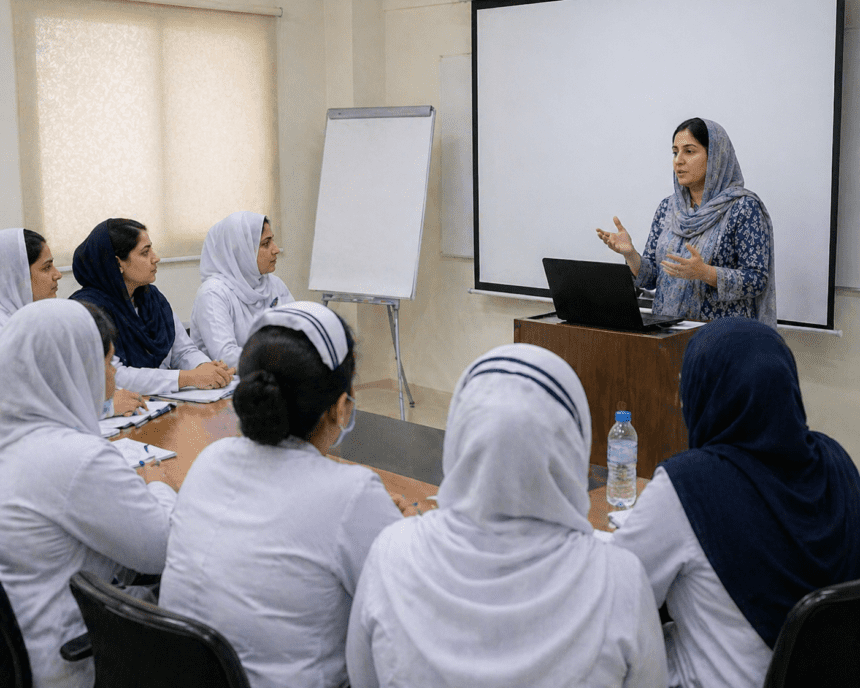
The Bridge Consultants Foundation (BCF) launched a targeted training program this week for Karachi’s nursing staff, focusing on the clinical management of Drug-Resistant Tuberculosis (DR-TB).
The initiative addresses a critical gap in the city’s healthcare infrastructure. While standard TB cases remain manageable, DR-TB requires specialized diagnostic protocols and lengthy, aggressive treatment regimens that many frontline nurses aren’t traditionally equipped to handle.
“Nurses are the backbone of our TB control efforts, yet they often face the highest risk and the steepest learning curve with resistant strains,” a senior project coordinator told local health workers during Monday’s session.
The training sessions cover updated WHO guidelines on shorter treatment cycles, the management of severe side effects from second-line drugs, and infection control measures to prevent hospital-acquired transmission. Karachi remains a hotspot for multi-drug resistant cases, fueled by high population density and inconsistent medication adherence.
Health experts argue that increasing the technical competency of nursing staff is the only way to shorten the recovery window for patients who have already failed first-line therapy.
BCF officials confirmed the program will expand to private sector clinics by next month, aiming to standardize care quality across the city. For now, the focus is on the basics: early detection and keeping patients in the system. Missing even a week of the complex DR-TB regimen can turn a manageable case into a life-threatening one.
As the training concludes, the real test will be whether these protocols take hold in the high-volume wards where Karachi’s most vulnerable patients go for help.