Millions across the globe marked International Labour Day today, but for many, the traditional parades and speeches serve as a bitter reminder of the widening gap between productivity and pay. While the day is officially set aside to honor the labor movement, workers are instead grappling with a cost-of-living crisis that has eroded real wages across both developed and emerging economies.
In Pakistan, the day arrives as inflation hovers near record highs. Labor unions across major cities, including Karachi and Lahore, have used the occasion to shift the focus from ceremonial tributes to the immediate struggle for survival. The primary grievance remains the same: stagnant minimum wages that fail to keep pace with the soaring prices of electricity, fuel, and essential food items.
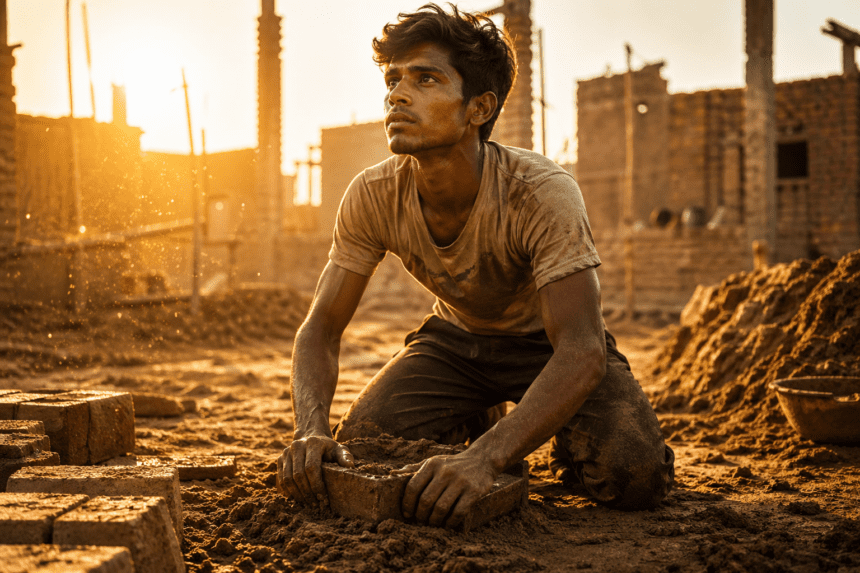
The disconnect is stark. While governments issue standard statements praising the “backbone of the economy,” labor leaders point to the lack of enforcement in the informal sector. An estimated 70% of the Pakistani workforce operates without contracts, social security, or basic health benefits. For these workers, the statutory minimum wage is often a theoretical figure, ignored by employers who face little oversight.
Global trends mirror this frustration. In Europe and the Americas, collective bargaining is facing a resurgence as workers turn to strikes to combat the impact of inflation. The International Labour Organization (ILO) notes that while global employment has stabilized post-pandemic, the quality of work—measured by job security and fair compensation—remains in decline.
“We are tired of being called heroes in slogans while our families struggle to afford basic staples,” said a labor union representative at a rally in Lahore earlier today. He argued that without legislative action to curb price hikes and ensure the implementation of labor laws, the annual observance remains little more than an empty gesture.
As the sun sets on May Day, the focus shifts from the streets back to the policy offices. The question isn’t whether the day was observed, but whether the systemic lack of worker protections will finally be addressed before the next cycle of economic pressure hits. For the daily wage earner, the holiday ends not with a celebration, but with the return to an increasingly difficult grind.