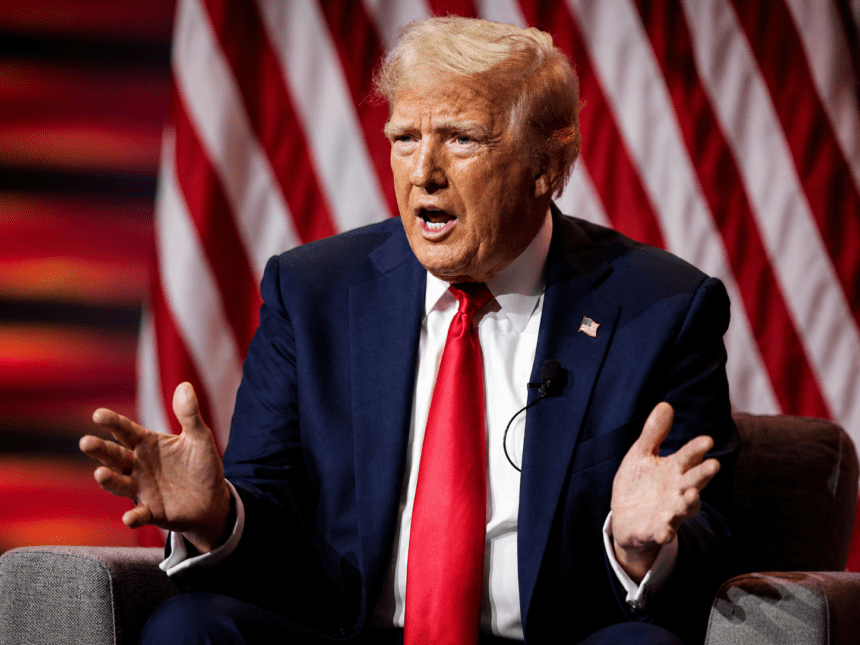
WASHINGTON — If President Donald Trump wants to make the 2026 case on economic stewardship, he does have material to work with. Growth picked up at the start of the year. Hiring is still positive. The unemployment rate, while not ultra-low, remains historically modest. On paper, that is not a crisis economy. But that’s only half the story, and maybe not the half voters feel when they’re standing at a gas pump or opening a grocery app.
The headline growth number improved noticeably. U.S. real GDP rose at a 2.0% annual rate in the first quarter of 2026, according to the Bureau of Economic Analysis, after expanding just 0.5% in the final quarter of 2025. That rebound matters politically because it lets the White House argue the economy regained some momentum after a sluggish end to last year. Still, 2.0% is solid, not spectacular, and the details underneath it were less comforting than a bumper-sticker version of the number might suggest.
One reason is consumer behavior. Americans are still spending, but it increasingly looks like the kind of spending that comes with strain. BEA said personal consumption expenditures rose 0.9% in March, while the personal saving rate fell to 3.6%. Income rose too, yes, but not enough to erase the basic pressure households are under. People are buying what they need and, in plenty of cases, paying more to do it. That’s not the same thing as feeling economically secure.
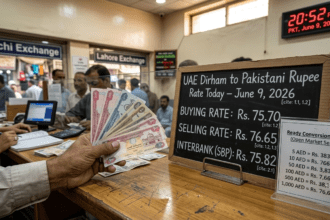
Inflation is the clearest political problem. The Consumer Price Index climbed 3.3% in March from a year earlier, and 0.9% just from the previous month, the sharpest monthly jump in quite a while. Energy was the big driver: the energy index rose 10.9% in March, with gasoline up 21.2% for the month on a seasonally adjusted basis. The Federal Reserve’s preferred inflation gauge, the PCE price index, also accelerated to 3.5% year over year in March. For voters, that combination is brutal because it cuts against any official message that things are settling down.
The labor market, though, has not cracked. Total nonfarm payroll employment increased by 178,000 in March, and unemployment held at 4.3%, according to the Labor Department. Hiring gains showed up in health care, construction, and transportation and warehousing, even as federal government employment continued to decline. That is meaningful. Incumbents usually benefit when people believe jobs are available, and by that measure Trump is not facing the kind of labor-market deterioration that tends to overwhelm every other political message.
Yet economics in politics is rarely about spreadsheets alone. It is about mood, expectation, and whether people think tomorrow will be easier than today. On that score, the warning lights are flashing. The University of Michigan’s consumer sentiment index fell to 49.8 in April, a remarkably weak reading. At the same time, the Conference Board’s consumer confidence index edged up to 92.8, but remained subdued enough to underline the same broader point: the public is uneasy, even if the economy is not collapsing. That gap between resilience and reassurance may be the whole election story in miniature.
Polling suggests Trump is already feeling that tension. Pew Research Center found that 42% of Americans express confidence in Trump to make good decisions on economic policy, meaning the economy remains one of his better-rated issues, but still not an issue where a majority is with him. A Washington Post-ABC News-Ipsos poll published May 3 went further, putting his approval on the economy at 34%, with even weaker marks on inflation and cost of living. In plain English: voters are not judging him only on whether the U.S. avoids recession. They are judging him on whether everyday life feels affordable again, and many clearly think it does not.
That distinction matters because presidents often try to campaign on macroeconomic strength while voters answer with microeconomic frustration. Trump can point to GDP growth, continued job creation and a still-functioning consumer sector. His critics, meanwhile, barely need theory; they can point to higher prices, weak confidence and a saving rate that suggests households have less cushion than they’d like. Both sides have evidence. The difference is that one argument lives in official releases, and the other shows up in weekly bills.
So how is the economy doing, in the way voters are likely to judge it? It is doing well enough to avoid panic, but not well enough to create broad comfort. That is a narrow ledge for any president. Trump’s team can plausibly say the economy is growing and hiring. Voters, just as plausibly, can reply that prices are still too high and confidence is too low. And when elections turn on economics, that second answer tends to be the one that bites harder.