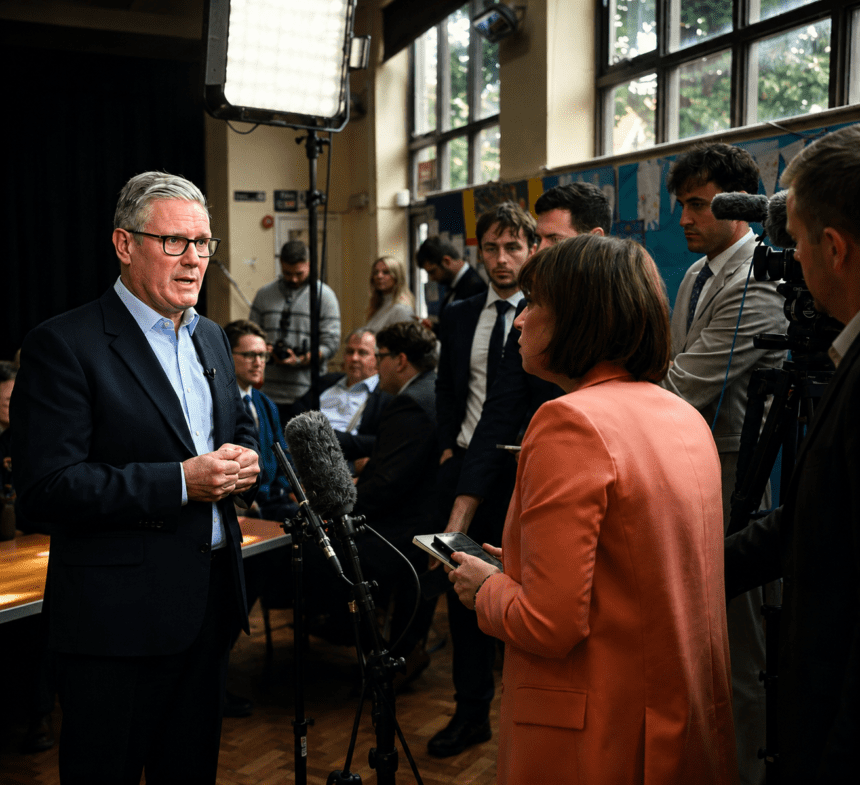
Early returns from the U.K. local elections are painting a grim picture for Sir Keir Starmer, with Labour hemorrhaging support in key battleground areas. While the national party leadership had hoped these polls would serve as a springboard for a general election victory, the results suggest a growing disconnect between the party’s central platform and its traditional base.
The losses aren’t just narrow margins; they’re symbolic. Labour has struggled to hold ground in districts where cost-of-living pressures have hit hardest. Voters, frustrated by stagnant wages and a perceived lack of radical policy shifts, are shifting their support toward independent candidates and fringe parties.
For Starmer, the “So what?” is clear: the party’s current strategy of cautious moderation is failing to ignite enthusiasm. Internal critics are already pointing to the leadership’s refusal to commit to bold fiscal changes as the primary culprit for the lukewarm reception at the ballot box.
“The public isn’t asking for more of the same, they’re asking for a way out of this stagnation,” said one senior party strategist, speaking on condition of anonymity. “We gave them a measured manifesto when they wanted a rescue plan.”
The Conservatives, despite their own national polling struggles, are finding unexpected relief in these local results. Where Labour has faltered, Tory incumbents are holding on by thinner margins than expected, suggesting that the “anti-incumbent” wave may be more fragmented than the national polls initially predicted.
Labour’s campaign team is now scrambling to recalibrate before the general election cycle hits full swing. The question remains whether Starmer will double down on his centrist approach or pivot to address the growing insurgency from the left and the independent protest vote.
As the final counts trickle in, the message from the electorate is sharp: the presumptive path to Downing Street is looking much narrower than it did just forty-eight hours ago.