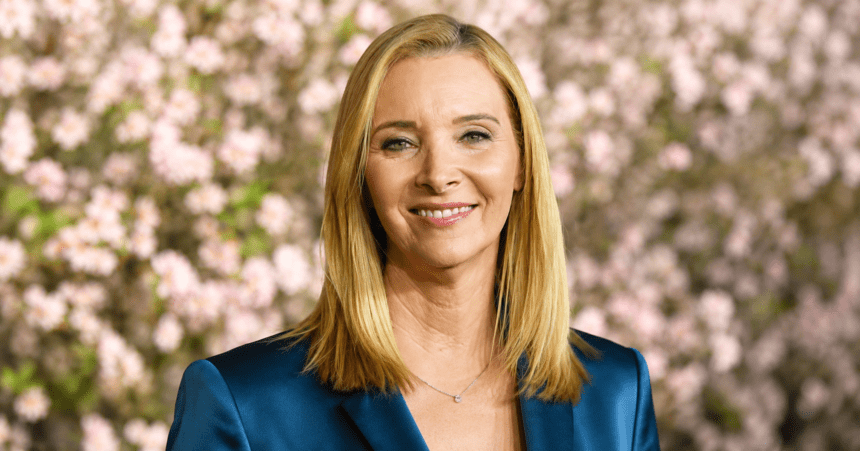
Lisa Kudrow has added her voice to the intensifying debate over artificial intelligence in entertainment, warning that the technology threatens the very foundation of human performance. The *Friends* star’s comments arrive as studios increasingly experiment with generative tools to write scripts, clone voices, and even replicate the likenesses of background actors.
For Kudrow, the issue isn’t just about technical capability—it’s about the loss of the intangible spark that defines acting. She points to the nuances of human emotion, timing, and spontaneous chemistry that machines struggle to replicate. Her skepticism echoes the core anxieties that drove last year’s historic SAG-AFTRA and WGA strikes, where writers and performers fought for legal safeguards against digital replacement.
The industry is currently in a state of flux. Major studios are betting billions on AI to streamline production costs and accelerate post-production workflows. Meanwhile, talent agencies and guilds remain locked in a tense negotiation over who owns the rights to a performer’s “digital twin.”
Kudrow isn’t alone in her apprehension. Figures ranging from Tom Hanks to independent voice actors have faced instances where their voices were mimicked without consent. The risk, according to industry insiders, is that the market will soon be flooded with “synthetic” content that mimics human artistry but lacks the lived experience required to truly resonate with an audience.
While proponents argue that AI can democratize filmmaking—lowering the barrier to entry for creators with limited budgets—critics like Kudrow emphasize that the cost might be the devaluation of human labor itself. If the industry prioritizes efficiency over the messy, unpredictable nature of human creativity, the resulting product may become technically perfect but soul-crushingly hollow.
The debate is no longer theoretical. With legislative efforts still lagging behind the pace of software development, the protection of an actor’s persona has become a primary battleground in Hollywood. For now, Kudrow’s warning serves as a reminder that as the technology evolves, the industry must decide whether it wants to be an engine of genuine human expression or merely a factory for algorithmic simulation.