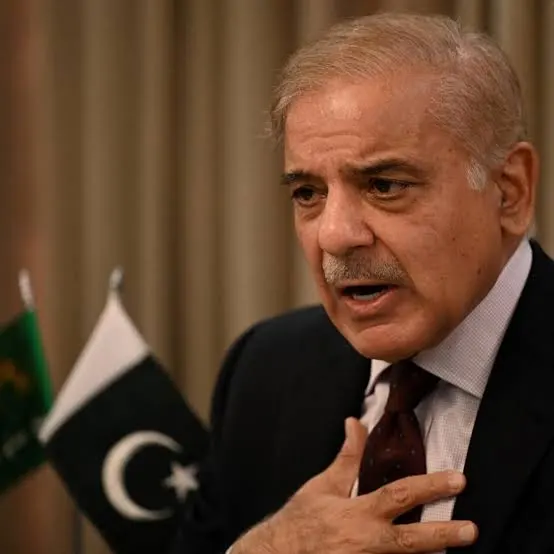
Prime Minister Shehbaz Sharif will depart for Beijing on May 23, marking his first official visit to China since assuming office for his second term. The trip comes as Pakistan navigates a precarious economic landscape, looking toward its “all-weather” partner for a fresh injection of fiscal stability.
The agenda is packed. Sources within the Foreign Office confirm the Prime Minister is set to meet President Xi Jinping and Premier Li Qiang to discuss the second phase of the China-Pakistan Economic Corridor (CPEC). While the first phase focused heavily on infrastructure and energy, this leg of the partnership aims to pivot toward industrial cooperation, agriculture, and IT.
For Islamabad, the timing is critical. Pakistan is currently in talks with the International Monetary Fund for a new, long-term bailout package. Securing debt rollovers from Beijing—which holds a significant portion of Pakistan’s external debt—is no longer just a diplomatic goal; it is a prerequisite for keeping the national economy afloat.
“The Prime Minister’s visit is focused on upgrading CPEC to a new level,” a senior diplomat said, speaking on condition of anonymity. He added that the delegation is pushing for “concrete movement” on the Main Line-1 railway project, a multi-billion dollar venture that has faced repeated delays due to financing hurdles.
Beijing’s appetite for further investment, however, has cooled. Security concerns surrounding Chinese workers in Pakistan—specifically following the March attack in Besham—have cast a shadow over negotiations. Chinese officials have privately expressed frustration over the security architecture protecting their nationals, and this visit will likely see Sharif offering personal assurances to restore confidence.
Beyond the balance sheets, the trip is a test of personal diplomacy. Sharif has long touted his ability to deliver on the “China model” of development. With the domestic political climate fractured and the economy struggling under the weight of record-high inflation, he needs a tangible win to show the public.
Whether this visit results in a major financial breakthrough or merely a reaffirmation of bilateral ties remains the central question for observers in Islamabad and Beijing alike.
The Prime Minister is expected to return to Pakistan on May 28, following a series of high-level meetings that will likely dictate the country’s fiscal trajectory for the remainder of the year.