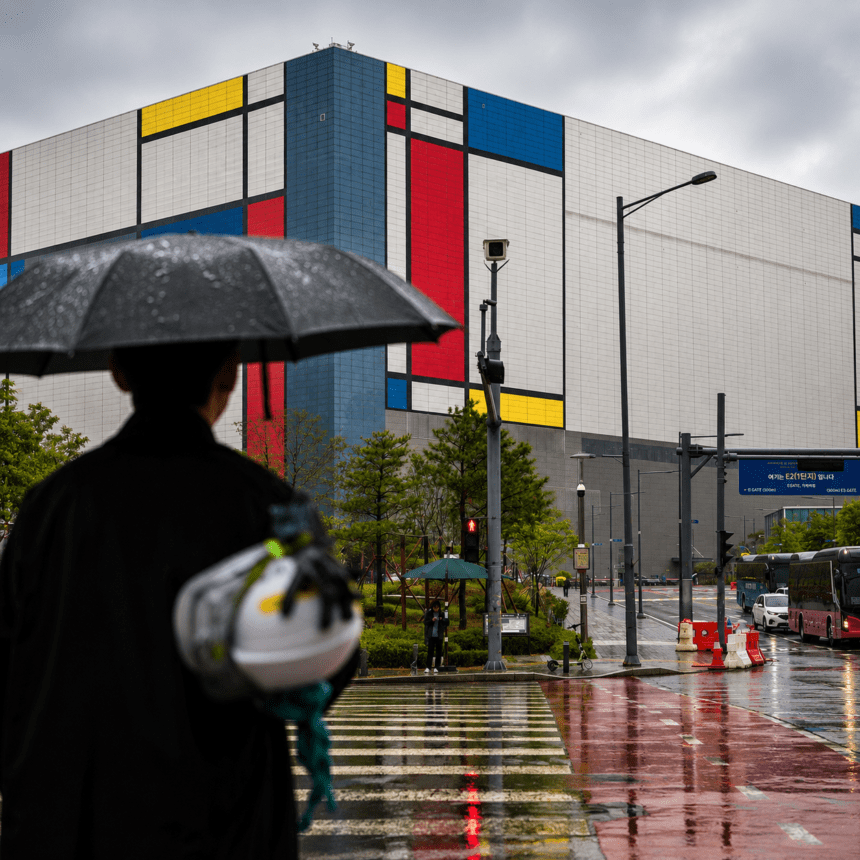
Samsung Electronics has narrowly avoided a damaging strike after reaching a last-minute tentative deal with its biggest union, offering a mix of higher pay and a new profit-sharing formula for semiconductor workers. The agreement halted an 18-day walkout that had been set to begin on May 21, after government mediation intensified and South Korea’s labor minister stepped in directly.
At the center of the deal is money. Under the new terms, Samsung’s semiconductor workers are set to receive a 6.2% average wage increase and a bonus pool tied to 10.5% of operating profit, on top of existing bonuses. That was enough to stop the immediate strike threat, but it did not fully satisfy union members who had pushed for a bigger and more durable claim on the company’s A.I.-driven gains.
That’s really where the tension still sits. Workers were not just asking for a one-off reward after a strong year. They wanted Samsung to commit to a system that would give them a larger, more predictable share of the profits flowing from the semiconductor boom, especially as demand for memory used in artificial intelligence systems keeps surging. Union members had reportedly sought 15% of operating profit, broader changes to Samsung’s bonus structure, and relief from the company’s existing 50% cap on annual wage bonuses.
So yes, Samsung avoided a walkout. But the bigger argument never really disappeared. It just got postponed.
The labor dispute has landed at a sensitive moment for Samsung. The company is trying to strengthen its position in the global A.I. chip race, where advanced memory has become one of the most lucrative corners of the tech industry. That has made compensation a much more emotional issue inside the company, especially when workers can look across town at SK Hynix, Samsung’s local rival, and see a similar profit-sharing model already in place. The new deal moves Samsung closer to that structure, but not all the way to what the union wanted.
The scale of the standoff mattered well beyond one company. Samsung’s union is reported to be about 70,000 strong, and a prolonged strike at the world’s biggest memory-chip maker would have raised broader concerns for South Korea’s economy and for global semiconductor supply tied to A.I. infrastructure. That risk is one reason the government became more visibly involved as the strike deadline approached.
Investors, for now, seem relieved. Reports said Samsung shares jumped after the agreement, helping lift sentiment in the wider Korean market. Still, the market’s optimism does not mean the labor issue has been settled cleanly. The union suspended the strike pending a member vote, and the mood among some workers remained uneasy because the final package fell short of the more sweeping share of A.I. profits they had been demanding.
In plain terms, Samsung bought itself breathing room with bigger bonuses and higher wages. What it did not buy, at least not yet, is full peace over who should benefit most from the company’s A.I. era windfall.