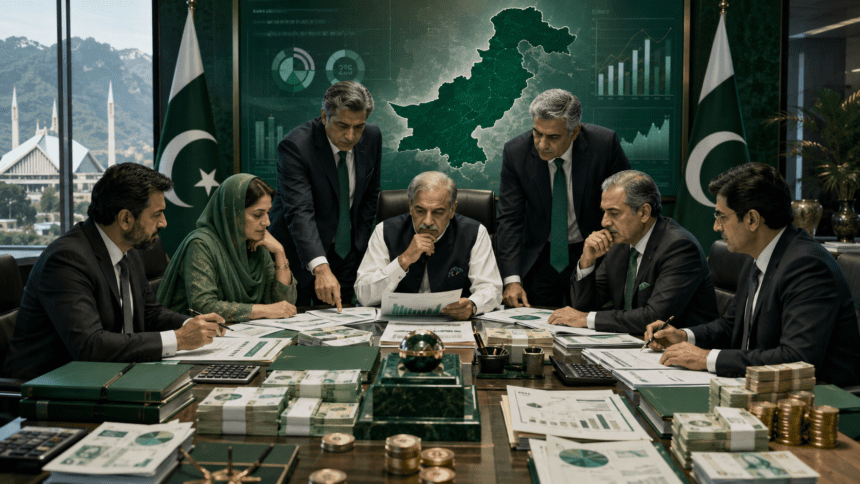
Islamabad: Prime Minister Shehbaz Sharif has formed a high-level panel to review and finalize key proposals for the Federal Budget 2026-27, as the government works to shape next year’s fiscal plan under tight revenue targets, economic pressure, and commitments made with the International Monetary Fund.
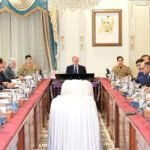
The committee has been tasked with examining tax-policy proposals before they are placed before the prime minister for final approval. Officials say the panel will assess whether the proposed measures are practical, legally sound, and administratively workable, while also considering their impact on revenue generation, investment, exports, inflation, and overall economic growth.
The committee is headed by Deputy Prime Minister Ishaq Dar and includes senior members of the government’s economic team, including Finance Minister Muhammad Aurangzeb, Planning Minister Ahsan Iqbal, Minister of State for Finance Bilal Azhar Kayani, Finance Secretary Imdad Ullah Bosal, Federal Board of Revenue Chairman Rashid Mahmood Langrial and other senior tax-policy officials.
The move comes as the government faces the difficult task of increasing revenue without further burdening documented businesses and already taxed citizens. Pakistan is expected to set an ambitious tax collection target for the next fiscal year, with reports suggesting the figure may be around Rs15.3 trillion.
The panel will also review proposals related to enforcement, tax compliance and documentation of the economy. These may include digital monitoring, improved data use and technology-based systems to detect under-reporting, false declarations and tax evasion. The government hopes such measures can widen the tax net instead of relying only on higher tax rates.
Budget-making this year is especially sensitive because Pakistan remains under close IMF watch. The lender has pushed Islamabad to strengthen fiscal discipline, raise revenue, reduce exemptions and move toward a stronger primary surplus. The IMF has also said Pakistan has committed to reaching a primary surplus of 2% of GDP by fiscal year 2027.
Officials are also trying to balance revenue measures with economic recovery. Industry groups have warned that heavy taxation could hurt investment and exports, while the government argues that a broader and fairer tax system is needed to reduce borrowing and stabilize the economy.
The committee is expected to examine which proposals can be included in the finance bill, which measures require legal changes and which steps could be delayed or modified after consultation with stakeholders.
The final budget plan will be closely watched by businesses, salaried workers, traders, exporters and international lenders. Any major change in income tax, sales tax, customs duties or enforcement powers could directly affect prices, business costs and household budgets.
For now, the formation of the panel shows that the government wants tighter political oversight of the budget process before the final proposals are announced. The challenge, however, remains the same: raise more revenue, keep the IMF satisfied, and avoid pushing the economy into deeper stress.