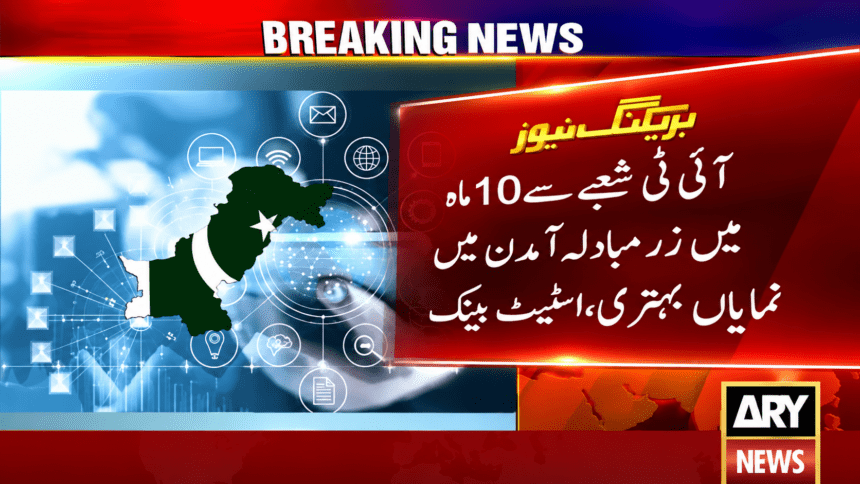
Pakistan’s freelancers brought in $959 million in export earnings during the first 10 months of the current fiscal year, a sharp 49% rise from the same period last year, according to State Bank of Pakistan data cited in local business reports.
The earnings, recorded between July 2025 and April 2026, were generated under the computer and information services category. In the same 10-month period of the previous fiscal year, freelancers had earned $642 million, meaning the country added around $317 million in extra freelance export receipts this year.
That’s not a small bump. For a country still trying to widen its export base and bring in more foreign exchange, freelance earnings are becoming harder to ignore. The numbers suggest that Pakistan is now closing in on a major psychological mark: $1 billion in annual freelance export receipts.
Industry voices say the growth has come from a mix of more young Pakistanis joining online platforms, better digital skills training, and rising global demand for remote tech and creative services. Platforms such as Upwork, Fiverr and social media-based marketplaces remain major channels for Pakistani freelancers, according to Pakistan Freelancers Association CEO Dr Imran Batada, who was quoted in reports on the latest SBP figures.
The work itself is spread across several areas — software development, web design, graphic design, digital marketing, IT support, content services, e-commerce support and, increasingly, AI-linked tasks. As more businesses abroad look for flexible talent rather than full-time hires, Pakistan’s young digital workforce appears to be benefiting.
There’s also a broader story here. Pakistan’s official economy has struggled with pressure on the rupee, import controls, debt repayments and foreign exchange shortages in recent years. In that setting, every dollar earned through exports matters. Freelancers may not get the same attention as textile exporters or remittance inflows from overseas workers, but their contribution is now large enough to sit in the same conversation.
Still, the sector’s growth is not guaranteed. Freelancers continue to complain about payment delays, limited access to international payment gateways, high platform fees, patchy internet quality and banking hurdles. Better documentation may also be needed, because some freelance income still moves through informal or indirect channels and does not always show up cleanly in official export data.
The latest figures also show why policymakers are under pressure to treat freelancing as more than a side hustle. If Pakistan wants to turn this momentum into a durable export engine, it will need easier digital payments, stronger IT training, tax clarity, reliable internet access and targeted support for higher-value skills such as artificial intelligence, cybersecurity, cloud computing and product design.
For now, though, the headline is encouraging. Pakistani freelancers have nearly touched the billion-dollar mark with two months of the fiscal year still left. And honestly, for a sector built largely by individuals working from homes, shared offices and small studios, that’s a pretty serious achievement.