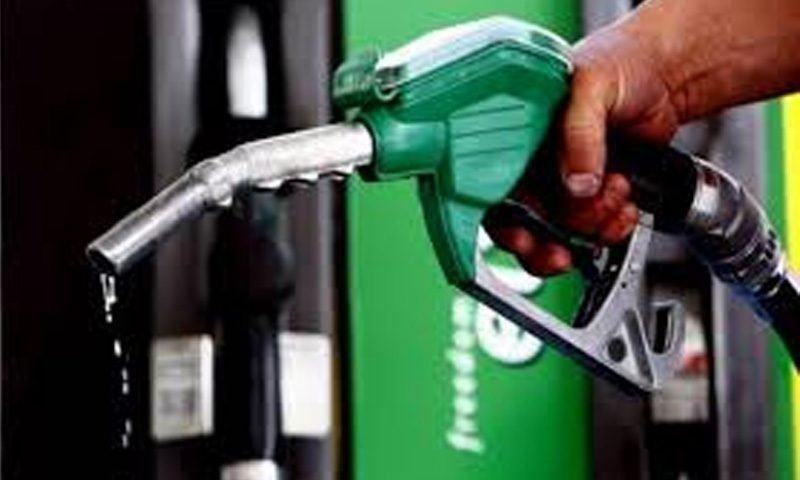
Pakistan’s latest jump in petrol and diesel prices was driven, first and foremost, by an external shock. The government said the increase followed a surge in international oil and energy prices linked to the Middle East conflict, which disrupted flows through the Strait of Hormuz and rattled fuel markets worldwide. Petroleum Minister Ali Pervaiz Malik said the crisis had pushed crude to record levels and sharply raised the cost of diesel in the international market.
The price revision announced on April 2 took petrol to Rs458.41 per litre and high-speed diesel to Rs520.35 per litre, with increases of roughly Rs137.23 and Rs184.49 per litre, respectively. In plain terms, Islamabad argued it could no longer absorb the shock without passing a substantial part of it on to consumers.
But that wasn’t the whole story. The government also made a policy choice. Instead of continuing a broad subsidy for everyone, officials shifted to a targeted relief model. Finance Minister Muhammad Aurangzeb said blanket subsidies were no longer sustainable, while public reporting before the decision showed Islamabad and the provinces were already discussing aid aimed specifically at lower-income users, including motorcyclists and rickshaw owners.
That explains why the official message around the hike sounded a bit different from a routine fortnightly price adjustment. The government tried to present the increase as part crisis response, part damage control. Alongside the hike, it announced a petrol subsidy of Rs100 per litre on up to 20 litres a month for motorcyclists, plus support for public transport and freight. The idea was simple enough: let market prices rise, but soften the blow for groups most exposed to transport costs.
There was also a supply-security angle. A federal cabinet committee meeting on April 6 said Pakistan’s overall petroleum position remained stable after the adjustment, with diesel stocks covering about 25 days, crude stocks around 12 days, and import plans proceeding through commercial procurement and government-to-government arrangements. Officials stressed monitoring, anti-hoarding enforcement and tighter reporting from retail outlets, suggesting the authorities were worried not just about price, but about panic, speculation and local shortages.
In the days before the increase, the government had already been weighing its options under pressure. Reporting on April 1 showed Islamabad had discussed both a fuel price hike and targeted subsidies after the Middle East crisis strained supply routes and deepened concern over Pakistan’s import bill. That reporting also said the federal government had already spent heavily to keep prices from rising earlier, which helps explain why officials eventually concluded that holding the line was becoming too expensive.
So the reason, now, is fairly clear. Prices were raised because imported fuel became much costlier after the regional crisis, and the government decided it could no longer keep shielding all consumers through blanket subsidies. The hike was sold as unavoidable, even as ministers tried to limit the political fallout by promising narrowly targeted relief and tighter market oversight.