Pakistan’s federal government is preparing around Rs200 billion in import-duty relief for the industrial sector in the upcoming FY2026-27 budget, as it moves into the second phase of a wider tariff reform plan aimed at lowering production costs and improving export competitiveness.
The proposed relief will come through cuts in additional customs duty (ACD), regulatory duty (RD), and customs duty (CD) across thousands of tariff lines. According to reports, Prime Minister Shehbaz Sharif has approved the next stage of the Tariff Reform Plan 2025-30, despite resistance from some sectors that have long benefited from higher import protection.
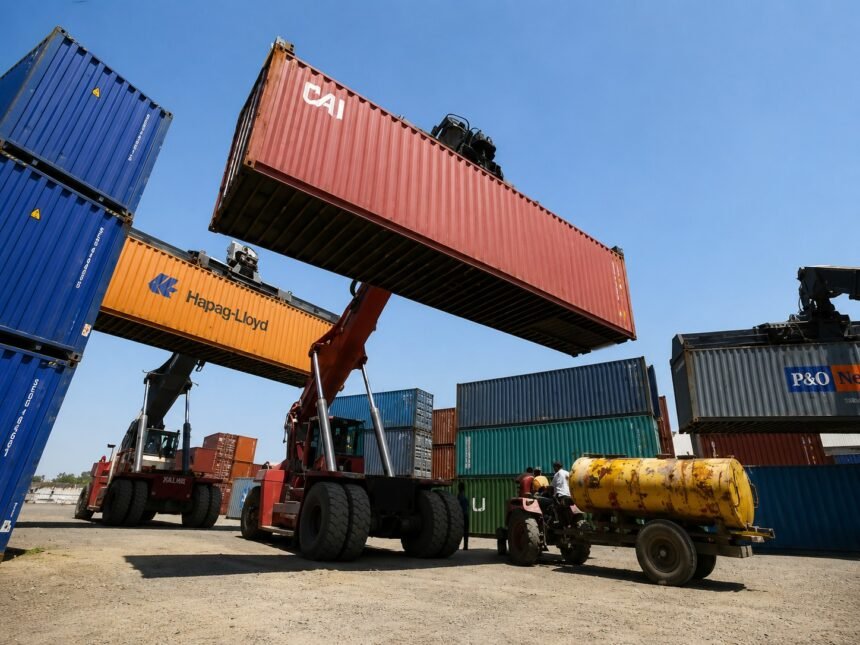
The main idea is simple: cheaper imported raw material, machinery and industrial inputs should reduce costs for local manufacturers. For industries already struggling with high electricity prices, expensive financing, multiple taxes and tough regional competition, even partial duty relief can matter. Industry representatives have welcomed the move, saying lower import costs could help manufacturers become more competitive.
A major part of the plan is to reduce regulatory duty. Reports say the government has approved bringing the RD ceiling down to 20% on more than 1,948 tariff lines, compared with the current maximum of 50%. This follows the earlier FY2025-26 budget step, when the maximum RD was reduced from as high as 90% to 50%.
Additional customs duty is also expected to be reduced. Under the reported proposals, the 2% ACD may be withdrawn on 518 tariff lines, while ACD on 2,166 tariff lines could fall from 4% to 2%. Another 465 tariff lines may see ACD reduced from 6% to 4%.
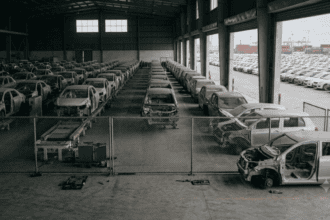
The customs-duty side is also being rationalised. Duties currently above 20% may be reduced across several categories. In some high-duty areas, including automobiles, reports say customs duty and regulatory duty could be sharply lowered. Dawn reported that duties on vehicles, for example, may fall from a combined 150% to 70%, with customs duty reduced from 100% to 50% and RD from 50% to 20%.
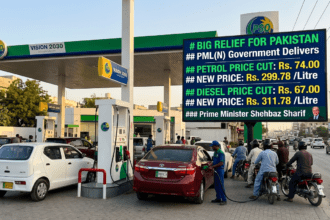
For consumers, this could eventually mean lower prices on some imported goods, especially where duty cuts are passed on by businesses. But that part is not automatic. In Pakistan, lower duties do not always translate fully into lower retail prices, because exchange-rate movement, dealer margins, freight costs and local taxes can absorb part of the benefit.
For the government, the decision is not risk-free either. Import-duty cuts mean lower revenue at a time when Pakistan is still under pressure to meet tight fiscal targets. The International Monetary Fund has reportedly pushed for a Rs17.1 trillion federal revenue target for FY2026-27, along with new budgetary measures, so the government will have to balance industrial relief with revenue needs.
Still, the policy direction is clear. Islamabad appears to be moving away from high protective tariffs and toward a more open import structure for industrial inputs. The bet is that cheaper inputs will help local factories produce more efficiently, export more, and compete better with regional economies.
The real test will come after the budget is announced. If the relief mainly benefits traders and protected sectors, the impact may remain limited. But if it genuinely lowers input costs for exporters and manufacturers, the Rs200 billion tariff relief could become one of the more important industrial measures in the FY2026-27 budget.