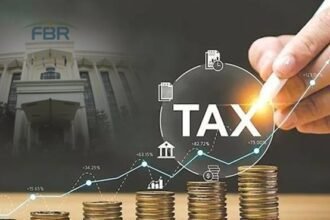
ISLAMABAD — Pakistan and the International Monetary Fund (IMF) are continuing intense negotiations over the upcoming federal budget, with the global lender asking the government to further slash tax exemptions and concessions to boost nationwide revenue collection, sources reported on Tuesday.
The federal government expects to harvest around Rs40 billion in additional revenue during the next fiscal year by aggressively scaling back these long-standing tax relief measures.
As part of a major structural shift, the government has decided not to extend several tax exemptions past June 30, 2026, phasing out a number of tax concessions in the upcoming FY2026-27 budget. The income tax exemptions historically enjoyed by the former Federally Administered Tribal Areas (FATA) and Provincially Administered Tribal Areas (PATA) are expected to expire on June 30. Starting July 1, 2026, individuals and corporate entities operating in these former tribal regions will become subject to the country’s standard tax regime.
Alongside income tax changes, a gradual escalation of sales tax rates is being introduced in these zones. Sales tax on industries in FATA and PATA is slated to climb from 10 percent to 12 percent, while imported industrial raw materials entering these areas will face a matching 12 percent sales tax. Furthermore, both the long-standing withholding tax exemption and the sales tax exemption on electricity supply to the tribal areas are set to end on July 1, 2026.
The upcoming budget is also taking a hard line on the green energy sector, with the government planning to withdraw major incentives for eco-friendly vehicles. The sales tax exemption on imported Completely Knocked Down (CKD) kits for electric vehicles will expire on July 1, 2026. Simultaneously, the reduced 1 percent sales tax currently granted to locally manufactured or assembled electric vehicles will remain in place only until June 30, 2026. The concessional sales tax regime for hybrid electric vehicles is also on the chopping block, with sources confirming that no further extensions are being considered for the next fiscal year. Additionally, the tax exemption available on locally manufactured agricultural silos will expire on the same date.
In another revenue-enhancing measure to secure fiscal space, the government is prepared to double the Climate Support Levy on petroleum products starting July 1, 2026. The levy is expected to rise from Rs2.5 per litre to Rs5 per litre. Finance officials estimate that this adjustment alone could generate more than Rs90 billion in revenue during the next fiscal year, helping Pakistan meet the strict targets mandated under the IMF framework.