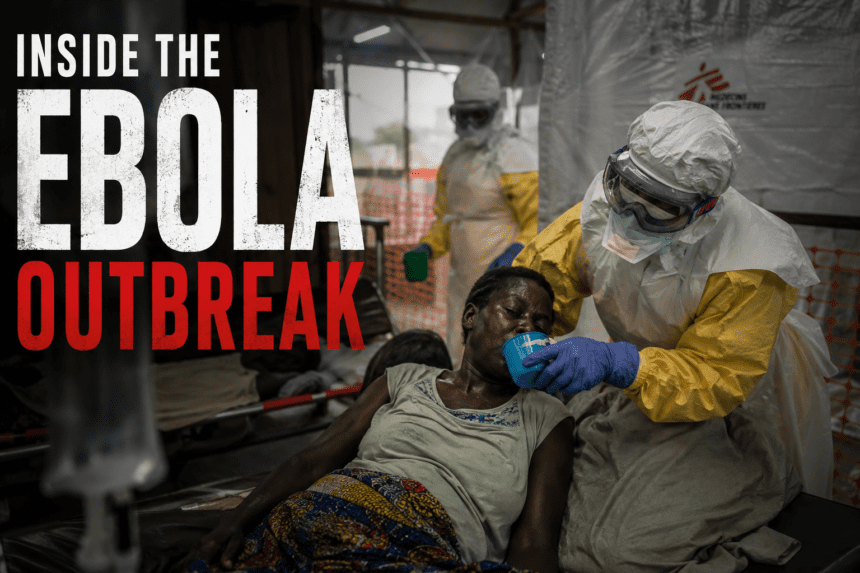
Health authorities are closely monitoring a new Ebola outbreak as medical teams work to contain the spread of the deadly virus. Officials have reported multiple confirmed cases in affected areas, prompting emergency response measures and increased public health surveillance.
Ebola is a severe viral disease that can cause fever, fatigue, muscle pain, vomiting, and, in some cases, internal and external bleeding. The virus spreads through direct contact with the bodily fluids of an infected person or contaminated materials.
Healthcare workers have been deployed to affected communities to identify cases, trace contacts, and provide medical treatment. Vaccination campaigns and public awareness programs are also being expanded to reduce the risk of further transmission.
Local authorities are urging residents to follow health guidelines, report symptoms immediately, and avoid contact with individuals who may be infected. Border screening and travel monitoring measures have also been strengthened in some regions.
International health organizations are supporting response efforts by providing medical supplies, laboratory testing, and technical expertise. Experts emphasize that early detection and rapid intervention remain the most effective tools for controlling Ebola outbreaks.
While the situation remains under close observation, health officials stress that public cooperation is essential to preventing further spread and protecting vulnerable communities.