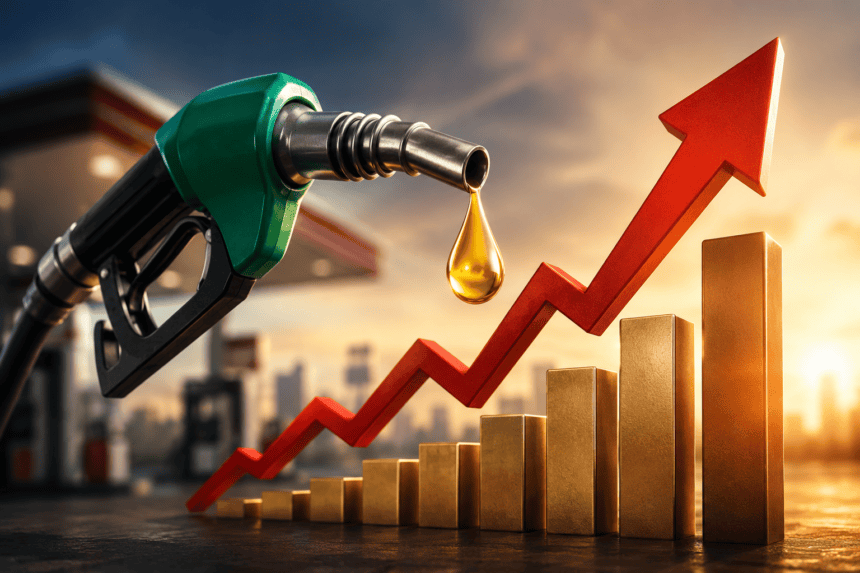
Drivers across Pakistan are bracing for another blow to their household budgets as the government prepares to adjust fuel prices. With the fortnightly review cycle concluding, all signs point to a hike in the price of petrol and high-speed diesel.
The move comes as global oil markets remain volatile. While the government has kept a tight lid on details, sources within the petroleum division suggest that the landed cost of imported fuel has climbed over the last two weeks. If the government passes the full impact of these international price fluctuations to the public, consumers will see an immediate uptick at the pumps.
The timing is particularly difficult for the average commuter. Inflation has already squeezed disposable income, and higher fuel costs inevitably trigger a ripple effect. When petrol prices rise, transport fares follow, and the cost of moving essential goods—from vegetables to construction materials—climbs alongside them.
“We are tracking the international market closely,” a senior official at the petroleum ministry said, speaking on condition of anonymity. “The final decision rests with the finance team, but the upward trend in global indices cannot be ignored forever.”
The government typically uses the Price Differential Claim (PDC) or tax adjustments to buffer extreme volatility, but fiscal constraints are leaving them with little room to maneuver. The International Monetary Fund (IMF) has consistently pushed for the full pass-through of energy costs to ensure the national exchequer isn’t burdened by subsidies.
For the motorist, the math is simple: the days of stable fuel prices are over. Whether the government chooses a steep, single-jump hike or a staggered increase remains the only real variable.
The notification is expected to be issued late tonight, with new rates taking effect immediately after midnight. Until then, long queues at filling stations are expected to persist as citizens rush to top off their tanks before the new prices hit the displays.