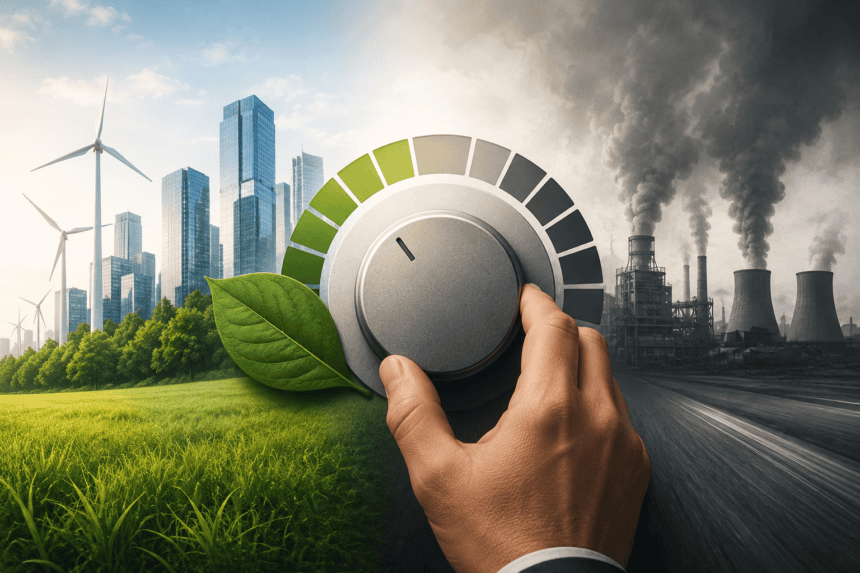
The European Commission is signaling a shift in its climate strategy, drafting proposals to ease the pace of carbon emission cuts for industrial sectors. Faced with mounting pressure from member states and industry leaders, Brussels is preparing to soften the interim targets originally set to keep the bloc on track for net-zero by 2050.
The move follows a wave of industrial protest across the continent, where manufacturers have cited high energy costs and aggressive regulatory timelines as primary threats to their global competitiveness. By extending the compliance window, the Commission aims to prevent the “deindustrialization” that critics claim is currently hollowing out Europe’s manufacturing base.
“We cannot force a transition that leaves our core industries unable to survive,” said a senior official familiar with the internal discussions. The proposed change doesn’t scrap the 2050 climate neutrality goal, but it does adjust the trajectory for energy-intensive sectors like steel, chemicals, and cement.
The decision has sparked a sharp divide in Brussels. Green factions argue that any delay undermines the credibility of the European Green Deal, warning that a “slow-walk” approach will only make the eventual transition more expensive and technically difficult. Industry lobbyists, meanwhile, are pushing for even deeper concessions, pointing to the United States’ Inflation Reduction Act as a more flexible, incentive-based model that Europe should emulate.
This pivot marks a departure from the “Fit for 55” package, which was once the bedrock of the EU’s environmental policy. As officials weigh the economic fallout of high interest rates and stagnant growth, the political appetite for strict, fast-paced environmental mandates has cooled significantly.
The Commission is expected to formalize the proposal in the coming weeks, a move that will test the unity of the bloc’s climate-conscious members against those prioritizing industrial survival. Whether this adjustment provides the breathing room businesses need—or merely delays a necessary transformation—is a question that will likely dominate the EU’s economic agenda for the next decade.