Islamabad: Most parts of Pakistan are expected to experience below-normal rainfall and above-normal temperatures during the June to August period, according to the latest seasonal climate outlook issued by the Pakistan Meteorological Department.
The forecast indicates that a combination of rising temperatures and reduced rainfall may increase the likelihood of heatwave conditions in several regions of the country during the summer months. Climate experts have advised authorities, farmers, and the general public to remain vigilant and take necessary precautions to minimize the impact of prolonged hot and dry weather.
According to the seasonal outlook, temperatures are expected to remain above average across most parts of Pakistan, with southern and central regions likely to experience particularly intense heat. Daytime temperatures may frequently exceed normal levels, increasing pressure on water resources, agriculture, energy demand, and public health systems.
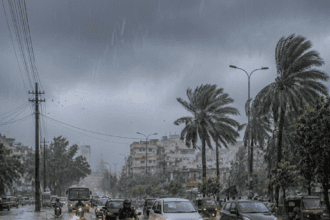
The weather outlook suggests that rainfall during the June-August period is likely to remain below normal in many areas, although localized heavy showers and thunderstorms may still occur due to monsoon activity. Despite the possibility of occasional rain events, the overall precipitation trend is expected to remain lower than the long-term average.
Meteorologists noted that the anticipated weather pattern could have significant implications for agriculture, especially for crops that depend heavily on timely rainfall and adequate soil moisture. Farmers have been encouraged to adopt water-efficient irrigation practices and closely monitor weather advisories throughout the season.
Water management authorities may also face additional challenges as reduced rainfall and higher evaporation rates could place stress on reservoirs, rivers, and groundwater resources. Experts have emphasized the importance of conserving water and implementing efficient resource management strategies to mitigate potential shortages.
Health experts warn that persistent high temperatures can increase the risk of heat-related illnesses, particularly among children, the elderly, outdoor workers, and individuals with pre-existing medical conditions. Citizens have been advised to stay hydrated, avoid unnecessary exposure to direct sunlight during peak afternoon hours, and follow official weather advisories.
The seasonal forecast further highlights the need for preparedness among disaster management agencies and local administrations. Authorities are expected to monitor weather developments closely and coordinate response measures in areas vulnerable to extreme heat, drought-like conditions, and weather-related emergencies.
Climate variability has become increasingly noticeable in recent years, with Pakistan experiencing more frequent episodes of extreme weather, including heatwaves, floods, and irregular rainfall patterns. Experts believe that effective planning, improved forecasting, and public awareness can play a crucial role in reducing the impacts of such climate-related challenges.
Officials have urged the public, farmers, and relevant stakeholders to stay informed through official weather updates and advisories as the summer season progresses. While the forecast points toward generally hotter and drier conditions, weather patterns can change, and localized events may still occur in different parts of the country.