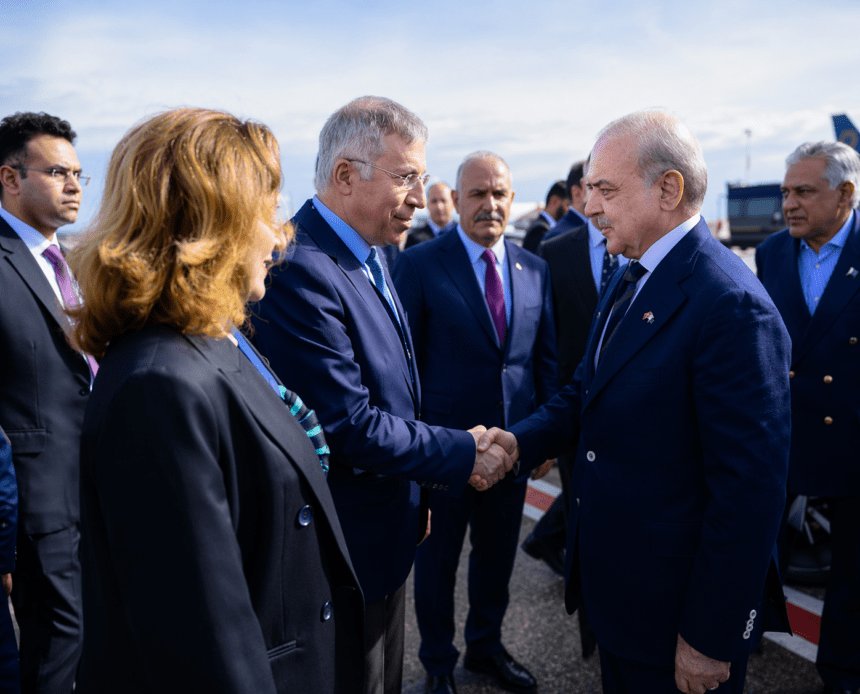
Prime Minister Shehbaz Sharif used his April 15–18 visit to Saudi Arabia, Qatar and Türkiye to combine routine bilateral diplomacy with talks on a much tenser regional picture, especially the Middle East crisis and broader peace efforts. Pakistan’s Foreign Office said before the trip that the three-country tour was meant to cover bilateral relations as well as “regional and global issues,” and Dawn later reported that the final leg took Shehbaz to Antalya after stops in Riyadh and Doha.
The tour mattered because it came right in the middle of fast-moving diplomacy around the U.S.-Iran crisis. The Wall Street Journal reported that Shehbaz’s meetings in Saudi Arabia, Qatar and Türkiye were part of a wider Pakistani mediation push focused on regional peace and security, with Islamabad trying to keep channels open as mediators worked to extend a ceasefire and set up further talks.
In Saudi Arabia, the visit was framed around both strategic ties and the regional situation. Pakistani media reports, citing the Foreign Office, said Shehbaz was expected to meet Crown Prince Mohammed bin Salman to discuss bilateral matters, review the full scope of relations, and exchange views on regional and international developments.
Qatar was also an important stop, not just symbolically but diplomatically. With Doha often involved in regional mediation and back-channel contacts, the inclusion of Qatar in the itinerary suggested Pakistan wanted to coordinate with another key Gulf actor as the region tried to contain escalation and stabilize ceasefire efforts. That interpretation is supported by reporting linking the tour to Pakistan’s broader outreach on regional peace.
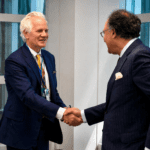
By the time Shehbaz reached Türkiye, the emphasis remained much the same: bilateral cooperation on one hand, regional consultations on the other. Dawn reported that he arrived in Antalya on the third leg of the tour and held a meeting there with Turkish Foreign Minister Hakan Fidan, underscoring that Ankara was not just a ceremonial stop but part of the substance of the trip.
There was an economic layer underneath all this as well. The New Arab reported that the tour unfolded while Pakistan was under fiscal strain, with Gulf ties carrying added weight because of financial support, investment and debt management. That means the trip was not only about geopolitics; it was also about keeping key political and economic relationships warm at a delicate moment for Islamabad.