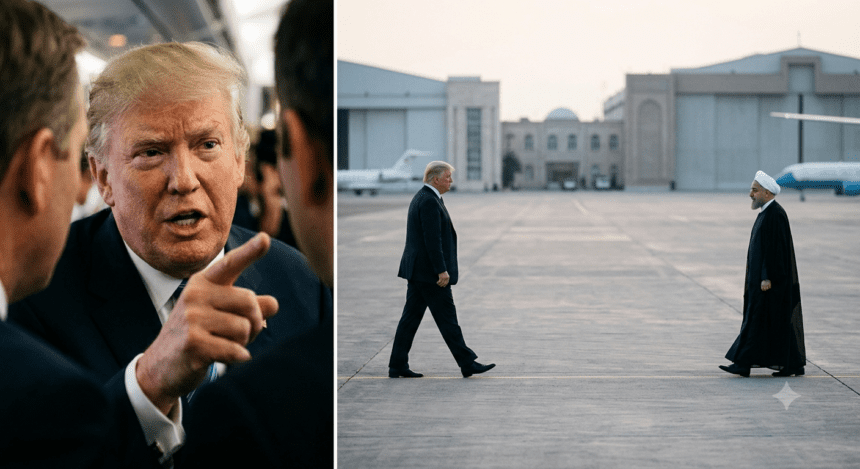
Washington: U.S. President Donald Trump has confirmed reports that he called Israeli Prime Minister Benjamin Netanyahu “crazy” during a recent phone conversation, while also expressing hope that he could eventually meet Iran’s Supreme Leader, as diplomatic efforts in the Middle East continue.
Speaking in a recent interview, Trump acknowledged making the remark during a discussion with Netanyahu, explaining that he was frustrated by the continued escalation of hostilities involving Lebanon and concerns that the conflict could undermine broader regional peace efforts. Despite the unusually blunt language, Trump stressed that he still maintains a strong working relationship with the Israeli leader.
According to Trump, disagreements between allies are not uncommon during periods of conflict. He described both himself and Netanyahu as wartime leaders facing difficult decisions amid ongoing regional tensions. Netanyahu has downplayed reports of any serious rift, emphasizing the long-standing strategic partnership between the United States and Israel.
The remarks come at a sensitive time as Washington seeks to advance negotiations with Iran and reduce tensions across the region. Trump said he believes diplomatic progress remains possible and suggested that a future meeting with Iran’s Supreme Leader, Mojtaba Khamenei, could take place if talks continue moving in a positive direction.
Trump indicated that Iran’s leadership remains actively involved in ongoing discussions and expressed cautious optimism about the prospects for a broader agreement. While no meeting has been scheduled, he said direct engagement could help advance efforts aimed at achieving long-term stability and addressing concerns surrounding Iran’s nuclear program.
The possibility of direct talks between Trump and Iran’s Supreme Leader has drawn significant international attention given the history of tensions between the two countries. Analysts say such a meeting, if it occurs, could represent a major diplomatic development and potentially reshape regional dynamics.
Meanwhile, efforts to secure a lasting peace agreement remain complicated by ongoing military activity and political disagreements involving several regional actors. Observers note that relations between Washington, Jerusalem, and Tehran remain highly sensitive despite recent diplomatic contacts.
As negotiations continue, Trump’s comments have highlighted both the challenges and opportunities facing diplomatic efforts in the Middle East, where regional stability remains a key priority for governments and international stakeholders alike.