Oil stockpiles in major economies are hitting multi-year lows, stripping away the global market’s primary buffer against supply shocks. With strategic reserves in the U.S. and Europe depleted to combat post-pandemic price spikes, the margin for error has vanished.
The International Energy Agency (IEA) reports that commercial inventories in OECD countries are now trailing their five-year averages. This thinning cushion leaves little room for geopolitical miscalculation. Traders, once confident that government-held barrels could plug any hole in the market, are now betting on volatility.
This inventory squeeze is shifting the calculus for policymakers. For months, Western leaders treated oil prices as a manageable economic variable. That luxury is gone. With little left in the tank to release, the threat of an energy-driven inflationary spiral is forcing a new urgency into back-channel diplomacy.
“The strategic reserve is no longer a tool for price control; it’s a emergency backup that’s nearly empty,” says senior energy analyst Marcus Thorne. “Diplomacy is now the only lever left to stabilize the market.”
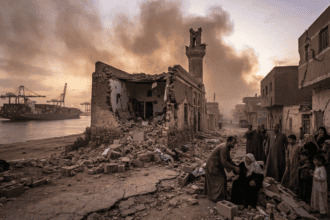
The correlation between these dwindling reserves and the push for a peace deal is increasingly direct. In private, officials acknowledge that a prolonged conflict in the Middle East—a region responsible for a third of the world’s seaborne oil—would trigger a price surge that current inventories couldn’t contain. High-level delegations are now signaling that energy security is a core pillar of their negotiation mandates.
Market data from the last quarter shows that even minor escalations in regional tensions now send crude futures spiking by double digits. The market is pricing in a “fear premium” that hasn’t existed since the 1970s.
Governments are caught in a bind. Refilling reserves while prices remain high risks fueling further inflation, yet leaving them empty invites catastrophe if a supply line snaps. This fiscal reality is turning the energy sector into a primary driver of geopolitical urgency.
For the White House and Brussels, the message is clear: energy independence has stalled, and the return to stability depends less on supply-side economics and more on securing a ceasefire that keeps the tankers moving. Every day without a deal is a day closer to a market breaking point.