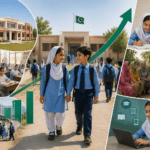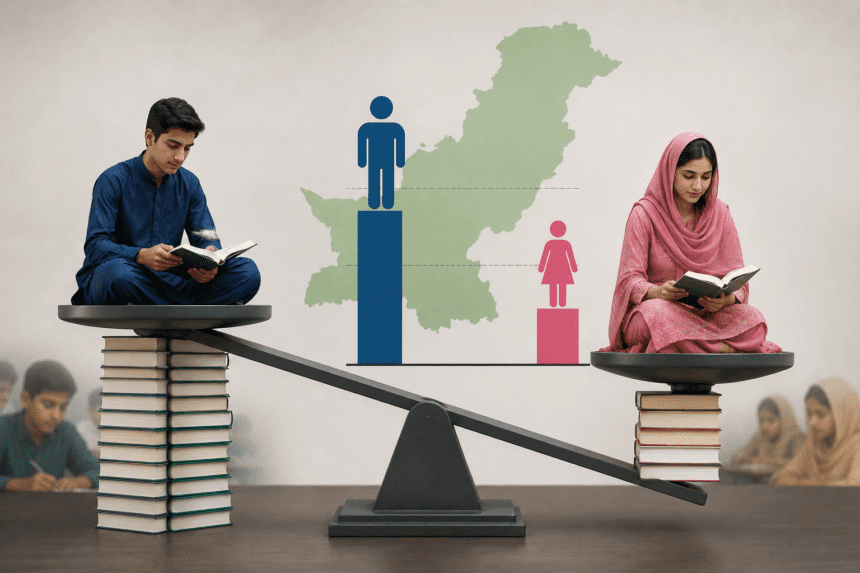
Islamabad: Newly released education statistics have highlighted a persistent literacy gap between men and women in Pakistan, underscoring the challenges that remain in achieving gender equality in education despite recent improvements in school enrollment and literacy rates.
According to the data, male literacy rates continue to exceed female literacy rates across most regions of the country, with the disparity being more pronounced in rural and underserved areas. Experts attribute the gap to a range of socio-economic factors, including limited access to schools, early marriages, poverty, cultural barriers, and lower educational opportunities for girls.
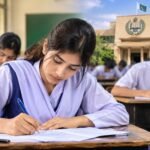
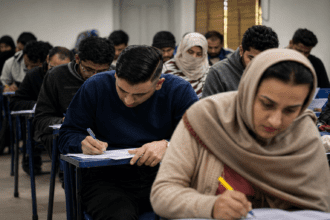
Education specialists note that while female enrollment in schools and universities has increased significantly in recent years, many girls still face obstacles that prevent them from completing their education. The literacy divide is particularly evident in regions where educational infrastructure and resources remain inadequate.
Government officials say various initiatives have been launched to address the imbalance, including scholarships for girls, school construction projects, teacher recruitment programs, and campaigns aimed at encouraging female education. These efforts have contributed to gradual improvements, but experts stress that sustained investment and policy support are needed to close the gap.
Analysts believe reducing the literacy disparity between men and women is essential for economic growth, social development, and women’s empowerment. Higher female literacy rates are associated with improved health outcomes, increased workforce participation, and better educational opportunities for future generations.