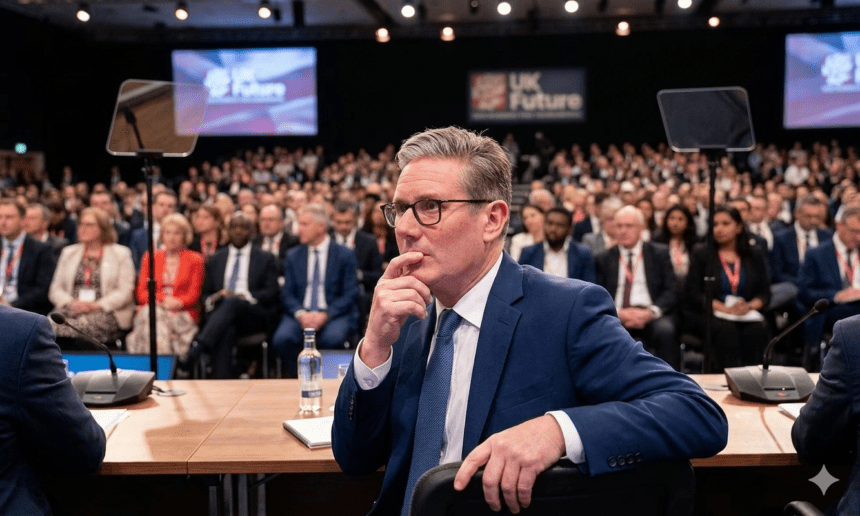
LONDON — British Prime Minister Keir Starmer spent the weekend at his country retreat, Chequers, reflecting on the grim “political realities” of his premiership, a senior cabinet minister confirmed on Sunday. The deliberate reflection comes amid a wave of explosive media reports from The Observer, The Guardian, and The Sunday Telegraph indicating that the beleaguered leader is preparing to announce his formal resignation as early as Monday.
The immediate catalyst for the existential crisis within the ruling Labour government was Friday’s high-stakes parliamentary by-election in the northwest English constituency of Makerfield. The poll delivered a resounding victory for veteran Labour politician Andy Burnham, the highly popular Mayor of Greater Manchester since 2017. Burnham nearly doubled Labour’s previous constituency majority, decisively crushing a challenge from Nigel Farage’s hard-right Reform UK party, which had previously dominated the ward during last month’s local elections. Because British constitutional framework dictates that any Labour leadership challenger must hold a seat in parliament, Burnham’s election cleared his final bureaucratic hurdle. He is scheduled to be sworn in as a Member of Parliament (MP) on Monday, positioning the 56-year-old soft-left heavyweight to instantly trigger a leadership challenge. Given Labour’s massive, commanding parliamentary majority, the winner of any such internal contest would automatically ascend to Downing Street as Prime Minister.
Appearing on Sky News, Business Secretary Peter Kyle validated the internal turmoil, revealing that he had engaged in a “frank” conversation with Starmer on Friday. Kyle stated that the Prime Minister is actively “making time to reflect on the political realities, challenges, and opportunities that he finds himself in.” According to broadcast reports, the pressure on Starmer has reached a tipping point, with senior cabinet members—including Foreign Secretary Yvette Cooper—explicitly advising their boss to step down to avoid a protracted, damaging civil war within the party.
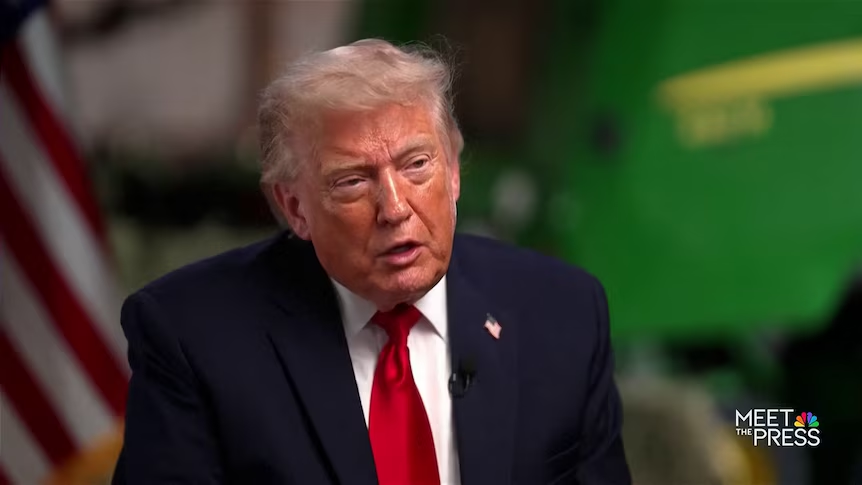
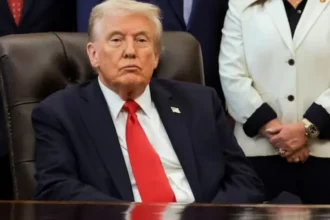
Starmer, who took office in July 2024, has seen his authority structurally eroded over months of policy reversals, mounting economic stagnation, and severe personal unpopularity among voters. His administration was pushed to the brink of collapse in March following the disastrous, short-lived appointment of former Jeffrey Epstein associate Peter Mandelson as the UK Ambassador to Washington. The discontent crystallized last month during a brutal nationwide drubbing for Labour in regional and local elections, forcing the previous Makerfield MP to vacate his seat so Burnham could execute his Westminster comeback. Across the Atlantic, US President Donald Trump weighed in on the unfolding crisis via his Truth Social platform, bluntly writing, “Keir Starmer will resign as Prime Minister of The United Kingdom. He failed badly on two very important subjects — IMMIGRATION AND ENERGY (OPEN NORTH SEA OIL!). I wish him well!”
Should Starmer capitulate and establish a timetable for his departure this week, the United Kingdom will brace for its seventh Prime Minister in a single decade—marking an unprecedented era of political volatility and leadership churn in the state’s modern democratic history.