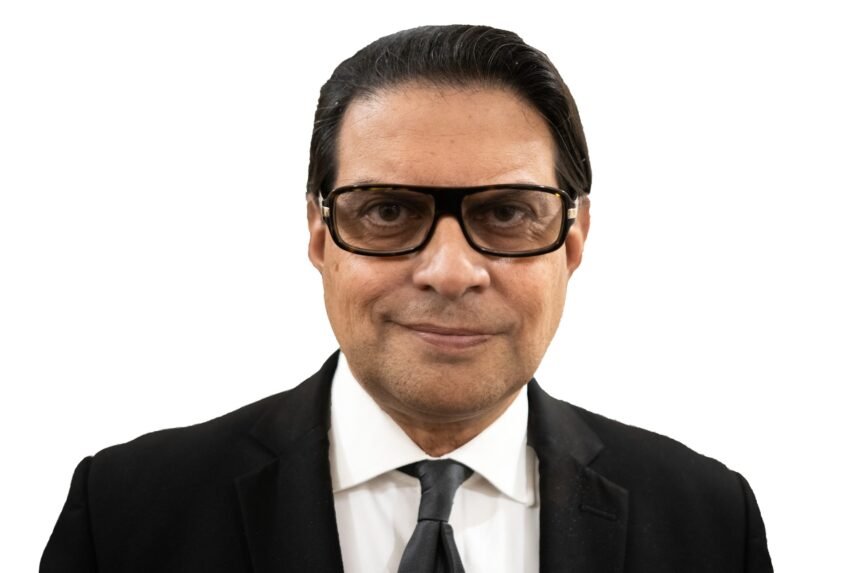
Pakistan Tehreek-e-Insaf Secretary General Salman Akram Raja has moved to contain a fresh internal dispute in Punjab, saying the party’s newly formed Coordination and Monitoring Committee will stay as it is. According to reports published on May 5 and May 6, Raja said no member of the committee would be removed and no new member would be added, a clear signal that the leadership does not want the issue reopened right now.
The controversy has been building around PTI’s decision to create a five-member body to oversee party affairs in Punjab, a move that did not go down well with some leaders inside the party. One of the main points of objection was the appointment of Amjad Khan Niazi as convener, with critics inside PTI questioning both the choice and the need for another oversight structure in an already tense provincial setup.
Raja’s intervention appears aimed at drawing a line under the matter before it spills into a broader organisational fight. Dawn reported that he stood firmly by the decision and made it plain the committee would remain intact despite reservations from within the party. Pakistan Today, in similar reporting, said he rejected demands for changes even as criticism continued over the panel’s composition.
What makes the episode more sensitive is that it does not seem to be a one-off disagreement. The dispute comes against a longer pattern of friction inside PTI over who gets to run Punjab’s party machinery and how much say different camps have in appointments. Earlier reporting from late 2025 showed Raja dealing with another Punjab-related organisational dispute, when a PTI review committee restored Ahmad Chattha as Central Punjab president after internal disagreement over leadership changes.
That broader history matters. Punjab is not just another provincial chapter for PTI; it is the party’s central political battleground, and even routine administrative decisions tend to carry bigger political weight. So while Raja’s latest comments were brief, they landed as a message to dissenters that the leadership wants discipline, not another round of internal bargaining. That is the real story here: less a public policy fight, more an attempt to stop factional noise from turning into a full-blown organisational headache.
For now, there is no indication from the available reporting that the committee is being rolled back or formally reviewed. Instead, the immediate takeaway is that PTI’s central leadership is standing by the Punjab body despite visible discomfort inside the party ranks. Whether that settles the matter is another question. In PTI, Punjab disputes have a habit of lingering.