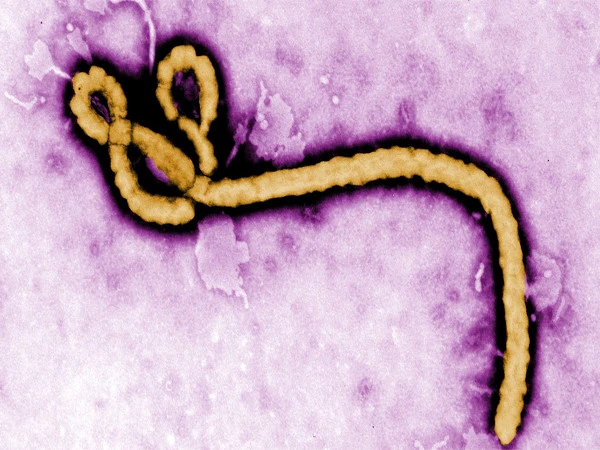
Scientists have warned that the deadly Ebola virus can remain hidden in the nervous system of recovered patients for a long period and may become active again months or even years later, potentially causing new outbreaks.
Ebola is considered one of the world’s most dangerous viruses and can cause death in up to 90 percent of infected individuals. Across its various outbreaks, more than 28,000 people have lost their lives.
Previous studies have already shown that individuals who recover from Ebola can sometimes become ill again or develop complications such as inflammation months or years after recovery.
Scientists have long suspected that the virus may hide in certain parts of the body where immune system surveillance is limited in order to protect sensitive tissues from damage.
Now, a new study, which used laboratory grown mini brains or small brain models, has revealed that the Ebola virus can hide within brain tissue and evade immune system surveillance.
The study also found that the virus can infect immune related cells in the brain, such as astrocytes and microglia.
Furthermore, immune system related molecules in these laboratory created brain models were also unable to completely eliminate the virus.