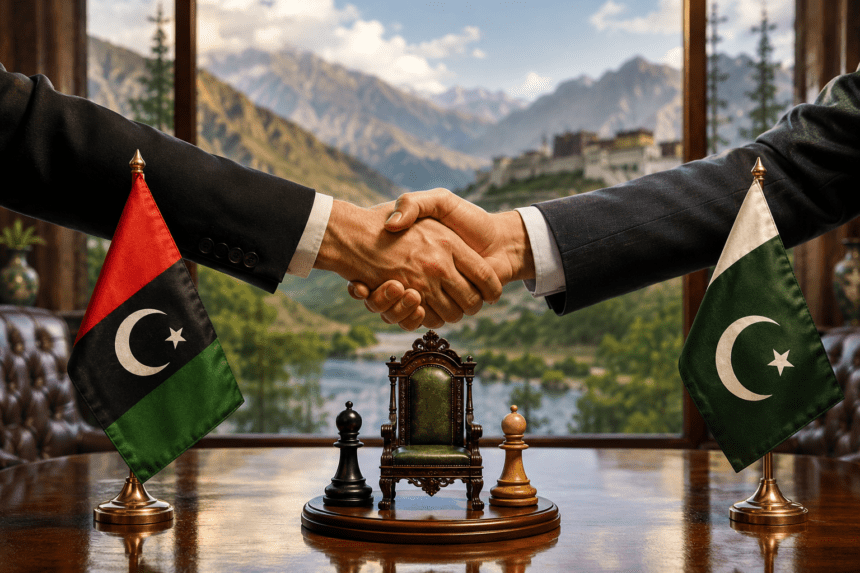
The Pakistan Peoples Party (PPP) and the Pakistan Muslim League-Nawaz (PML-N) have entered high-stakes negotiations to finalize the distribution of key constitutional offices in Gilgit-Baltistan. Both parties are working to stabilize the regional government, aiming to secure a power-sharing arrangement that prevents legislative gridlock.
The talks focus primarily on the slots of the Governor and the Speaker of the Legislative Assembly. Leaders from both sides met in Islamabad this week, acknowledging that a unified front is necessary to navigate the region’s complex administrative challenges.
For the PPP, the governorship is a priority. Party insiders suggest they are pushing for a nominee who can bridge the gap between local tribal dynamics and federal oversight. The PML-N, meanwhile, is leveraging its influence in the federal coalition to ensure its legislative agenda remains intact, likely seeking control over the Speaker’s office to manage assembly proceedings.
This alliance follows months of political volatility in the region. Gilgit-Baltistan has faced recurring budget disputes and protests over subsidy cuts, issues that have left the local administration struggling to maintain public order. By consolidating these offices, the two parties hope to project an image of stability to a restive electorate.
“We are looking at a formula that respects the mandate of both parties,” a senior PPP leader said on condition of anonymity. He confirmed that while the discussions are “constructive,” the final list of names remains a work in progress.
Critics argue that this top-down approach ignores the growing demand for greater provincial autonomy. The region currently lacks full constitutional representation in the national parliament, a sore point for local activists who view these ministerial deals as mere political maneuvering rather than structural reform.
The pressure is mounting. With the fiscal year budget approaching, the assembly cannot afford further infighting. If the PPP and PML-N fail to reach a formal agreement by the end of the week, the vacuum will likely trigger another round of protests in Gilgit, further complicating the federal government’s ability to govern the territory.
The deal is expected to be finalized within days, though the names of the appointees are being kept under tight wraps to avoid internal party backlash. For now, the administration sits in a holding pattern, waiting for the signal from Islamabad.