A Positive Step Toward Menstrual Equity
The Government of Pakistan has recently announced plans to remove the 18% sales tax on menstrual products, a decision that has been widely welcomed by health experts, women’s rights advocates, and social organizations. For years, activists have argued that sanitary pads and other menstrual hygiene products are essential healthcare items and should not be treated as luxury goods subject to high taxation.
The move represents an important step toward improving menstrual health and making period products more affordable for millions of women and girls across the country. By reducing the overall cost of these products, the government hopes to ease the financial burden on consumers and encourage better menstrual hygiene practices.
Why This Decision Matters
Menstruation is a natural biological process experienced by millions of women and girls every month. However, access to safe and hygienic menstrual products remains a challenge for many households, particularly those with limited incomes. High product prices often force families to make difficult financial choices, especially during times of economic uncertainty and inflation.
Removing the 18% tax sends a strong message that menstrual health should be recognized as a public health priority. It also reflects a growing global movement to eliminate so-called “period taxes” and improve access to menstrual products for everyone who needs them.
The Reality of Period Poverty in Pakistan
While the tax cut is undoubtedly good news, it does not fully solve the problem of period poverty. Many of Pakistan’s poorest families continue to struggle with rising living costs, low wages, and limited access to healthcare products. Even with lower prices, sanitary pads may remain unaffordable for households already facing financial hardship.
As a result, some women and girls continue to rely on unsafe alternatives such as old cloth, tissue paper, or other improvised materials. These substitutes can increase the risk of infections and create additional health complications. More importantly, they often affect a person’s dignity, comfort, and confidence during menstruation.
The Impact on Education
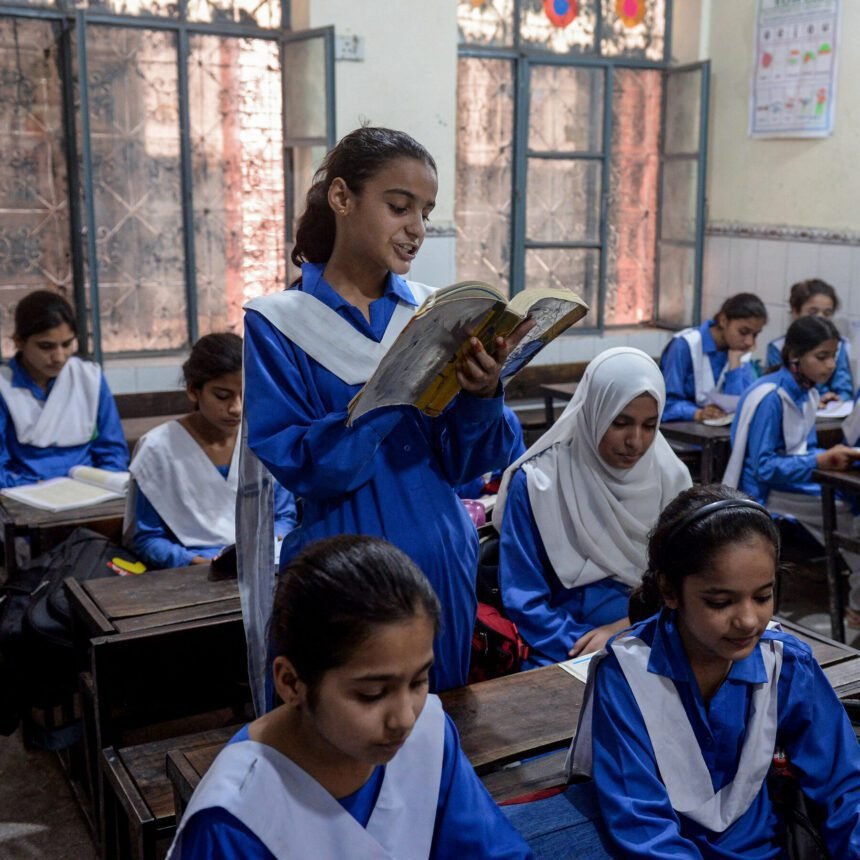
One of the most overlooked consequences of period poverty is its effect on education. Many school-age girls miss classes during their menstrual cycles because they lack access to proper hygiene products or adequate sanitation facilities. Repeated absences can negatively affect academic performance, participation, and long-term educational outcomes.
Reducing the cost of menstrual products may help some families, but experts argue that additional support is necessary to ensure that every girl can attend school comfortably and confidently throughout the month.
More Than a Tax Issue
Menstrual health is not just an economic issue—it is also a matter of public health, gender equality, and social inclusion. For decades, menstruation has remained a sensitive topic in many communities, leading to misinformation, stigma, and limited discussion about menstrual needs.
Addressing these challenges requires more than tax reforms. Public awareness campaigns, improved health education, and community engagement are essential for creating an environment where menstrual health is openly discussed and properly supported.
What More Can Be Done?
Experts and advocacy groups suggest several measures that could further improve access to menstrual products in Pakistan:
- Providing subsidized menstrual products for low-income families.
- Distributing free sanitary pads in public schools and colleges.
- Improving availability in rural and underserved communities.
- Investing in menstrual health education programs.
- Encouraging partnerships between government agencies, healthcare providers, and non-profit organizations.
Such initiatives could help ensure that affordability barriers do not prevent women and girls from managing their periods safely and with dignity.
Looking Ahead
Pakistan’s decision to remove the 18% tax on menstrual products is an encouraging development and a meaningful step toward menstrual equity. It acknowledges that period products are necessities rather than luxuries and helps reduce one financial barrier faced by women and girls.
However, the reality remains that many of the country’s poorest families may still be unable to afford these essential products. To create lasting change, tax reductions must be accompanied by broader policies that address poverty, access, education, and awareness.