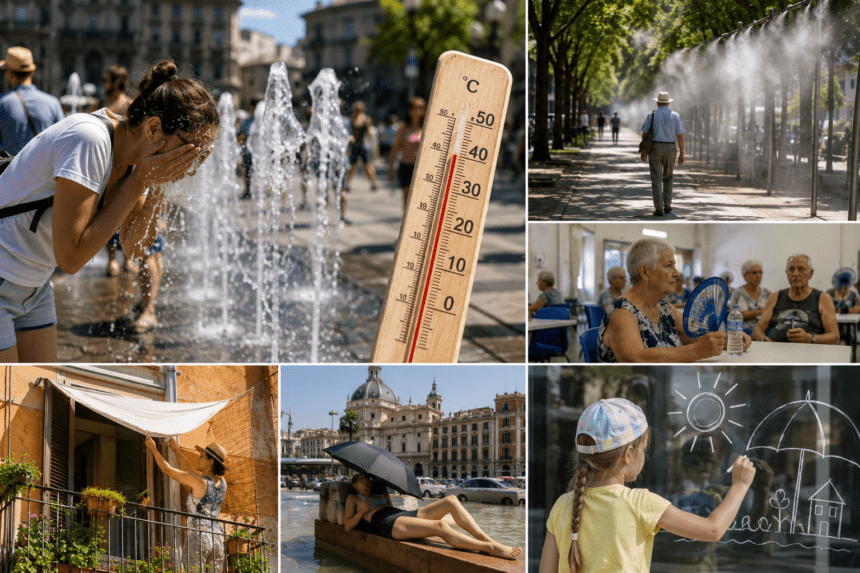
As Europe faces increasingly frequent and intense heatwaves, cities, communities, and residents are adopting innovative strategies to stay safe and comfortable during periods of extreme heat. With temperatures reaching record highs in several countries, authorities are implementing both short-term emergency measures and long-term climate adaptation plans to protect public health.
Rising Temperatures Across Europe
In recent years, Europe has experienced some of its hottest summers on record. Climate experts warn that heatwaves are becoming more common, longer-lasting, and more severe due to climate change.
Extreme heat can pose serious health risks, particularly for:
- Older adults
- Young children
- People with chronic illnesses
- Outdoor workers
As a result, governments and local authorities are increasingly focusing on heat-resilience measures.
Cooling Centers and Public Cool-Down Spots
Many European cities have established cooling centers and designated cool-down spaces where residents can escape dangerous temperatures.
These facilities often include:
- Air-conditioned public buildings
- Libraries
- Community centers
- Shopping malls
- Temporary cooling shelters
Local authorities encourage vulnerable individuals to spend time in these spaces during the hottest hours of the day.
Urban Greening Initiatives
Cities are expanding green spaces to help lower urban temperatures.
Measures include:
- Planting more trees
- Creating shaded walkways
- Expanding parks
- Installing green roofs and walls
Vegetation helps reduce the urban heat island effect, where densely built areas become significantly warmer than surrounding regions.
Reflective Surfaces and Window Treatments
In some communities, residents are using simple but effective techniques to keep indoor spaces cooler.
These include:
- Applying reflective coverings to windows
- Using light-colored curtains
- Drawing chalk-based coatings on windows to reflect sunlight
- Installing external shades and awnings
Such methods can reduce indoor temperatures and lower reliance on air conditioning.
Water Features and Mist Stations
Public squares and parks are increasingly equipped with:
- Drinking water stations
- Misting systems
- Public fountains
- Splash zones for children
These amenities provide relief during heatwaves while encouraging hydration.
Heat Alerts and Public Awareness Campaigns
Meteorological agencies across Europe regularly issue heat warnings when temperatures are expected to reach dangerous levels.
Public health campaigns advise residents to:
- Stay hydrated
- Avoid strenuous outdoor activity
- Wear lightweight clothing
- Check on vulnerable neighbors and relatives
- Seek medical attention if symptoms of heat illness develop
Timely information plays a critical role in reducing heat-related illnesses and deaths.
Adapting Buildings for a Warmer Future
Long-term adaptation efforts are also underway.
Architects and urban planners are exploring:
- Better insulation
- Improved ventilation systems
- Heat-resistant construction materials
- Energy-efficient cooling technologies
Many cities are updating building regulations to improve resilience against future heat extremes.
Community-Led Solutions
Residents themselves are finding creative ways to stay cool. Neighborhood groups often organize support networks to check on elderly individuals, distribute water, and share information during heat emergencies.
These community efforts complement official measures and help strengthen local resilience.
Looking Ahead
Scientists warn that extreme heat is likely to become a more significant challenge in the coming decades. As a result, European countries are investing in a combination of emergency responses, infrastructure improvements, and climate adaptation strategies.
From public cooling centers and urban greening projects to innovative window treatments and community support systems, Europe is developing a wide range of solutions to help people cope with rising temperatures and protect public health during increasingly intense heatwaves.