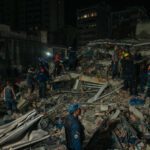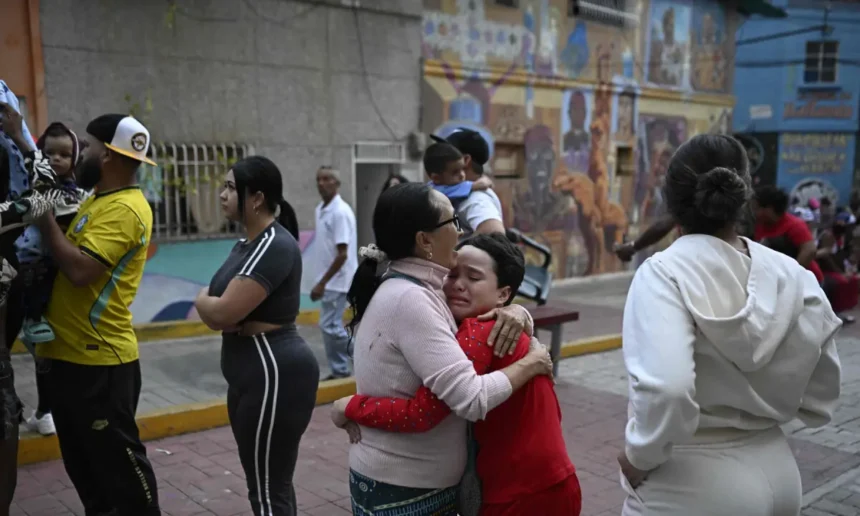
The sharp rise in the death toll following Venezuela’s devastating twin earthquakes is a tragic reminder of how vulnerable communities remain to natural disasters. With at least 164 lives lost and nearly 1,000 people injured, the scale of the catastrophe highlights the immense human and economic cost that major earthquakes can inflict within a matter of minutes.
In my view, the disaster underscores the importance of investing in disaster preparedness, resilient infrastructure, and effective emergency response systems. While earthquakes cannot be prevented, their impact can often be reduced through stronger building standards, public awareness programs, and well-coordinated rescue operations.
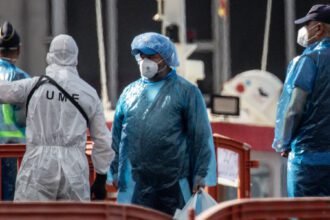
The growing number of casualties also reflects the urgent need for humanitarian assistance. Thousands of affected families may require shelter, medical care, food, and psychological support as they begin the difficult process of recovery. International cooperation and timely aid can play a crucial role in helping communities rebuild after such devastating events.
At the same time, the courage and dedication shown by rescue workers, volunteers, and emergency responders deserve recognition. Their efforts to search for survivors and assist victims demonstrate the importance of solidarity during times of crisis.
Ultimately, Venezuela’s earthquake tragedy is not only a national disaster but also a reminder to countries around the world of the need to strengthen disaster management systems and prepare for future emergencies. The lessons learned from this event may help save lives when similar natural disasters occur in the future.