MADRID — Spain’s health ministry expects the death toll from the current heat wave to climb significantly, as record-breaking temperatures push the country’s emergency services to their limit. Officials confirmed that the extreme heat, which has gripped the Iberian Peninsula for five consecutive days, is already linked to dozens of fatalities, particularly among the elderly and those with underlying health conditions.
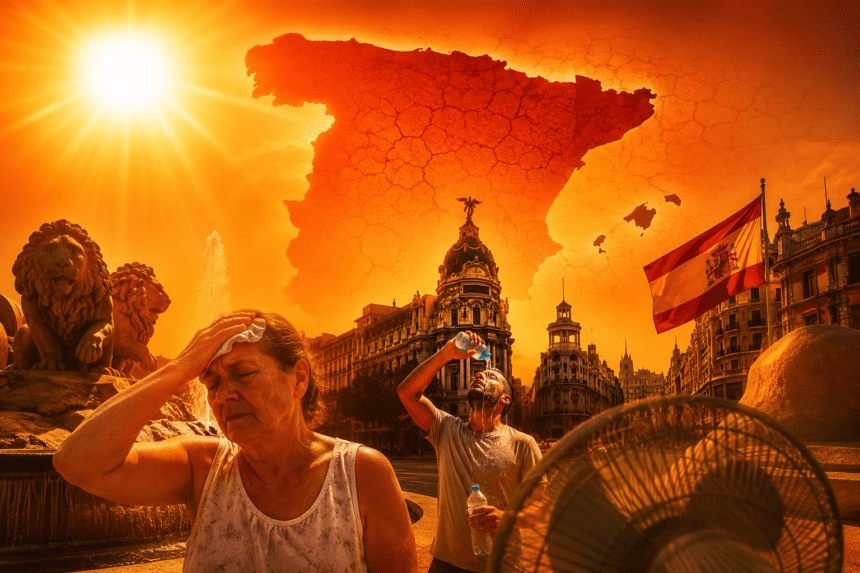
The mercury hit 44°C (111°F) in parts of Andalusia yesterday. These aren’t just uncomfortable numbers; they are lethal thresholds for infrastructure and human health alike. Hospitals in Madrid and Seville report a sharp spike in admissions for heat exhaustion and dehydration, stretching staff who were already navigating post-pandemic backlogs.
“We are seeing a clear correlation between the duration of this heat and the surge in mortality rates,” a senior health official told reporters Tuesday. He didn’t offer a specific final count, acknowledging that many rural deaths go unrecorded in the immediate aftermath.
The government has activated “red alert” protocols across 15 provinces. This mandates that public swimming pools extend their hours, urban parks remain open as cooling centers, and welfare checks on vulnerable citizens are prioritized. Yet, the scale of the crisis is testing the limits of these measures.
Climate scientists point to an atmospheric “heat dome” trapping hot air over the region, a phenomenon becoming increasingly frequent in Southern Europe. While the government focuses on immediate relief, environmental groups are pushing for a more permanent adaptation strategy, arguing that the country’s housing stock and urban planning are ill-equipped for a future of recurring 40°C-plus summers.
For now, the focus remains on the next 48 hours. Meteorologists expect the intensity to peak on Wednesday before a slow decline later in the week. Until the temperatures break, the death toll remains a grim, rising figure that continues to shadow the country’s mid-summer reality.