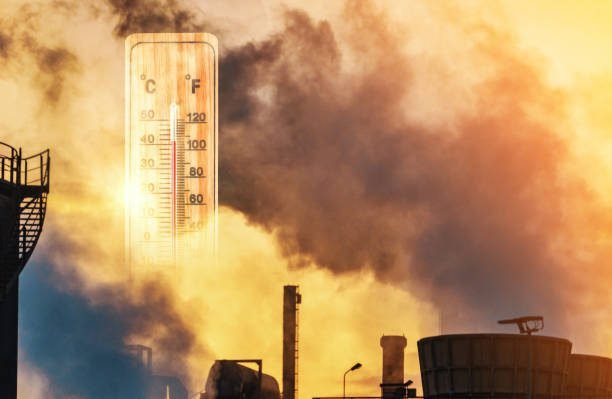
The recent deadly heatwaves across Europe are not just another seasonal extreme—they are a serious warning about how rapidly climate patterns are changing and how unprepared many societies still are for the consequences.
In my view, the intensity and frequency of these heatwaves show that climate change is no longer a distant or theoretical issue. It is happening now, and it is affecting millions of lives. Rising temperatures are putting pressure on public health systems, energy grids, agriculture, and everyday life in ways that many countries are struggling to manage.
One of the most concerning aspects is the human impact. Vulnerable groups such as the elderly, children, and outdoor workers face the highest risk during extreme heat. Hospitals often see a rise in heat-related illnesses, while cities become difficult to live in due to lack of cooling infrastructure and green spaces.
At the same time, these events highlight the importance of preparedness. Many European cities were historically designed for moderate climates, not for prolonged extreme heat. Without serious investment in climate adaptation—such as heat-resistant infrastructure, early warning systems, and urban cooling strategies—the damage will likely increase in the coming years.
However, responsibility does not lie only with governments. Public awareness and individual behavior also matter. Simple actions like staying hydrated, reducing energy use during peak hours, and checking on vulnerable people can make a meaningful difference during extreme weather events.
Ultimately, the deadly heatwaves in Europe should serve as a wake-up call. They are no