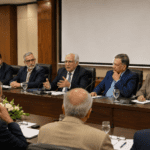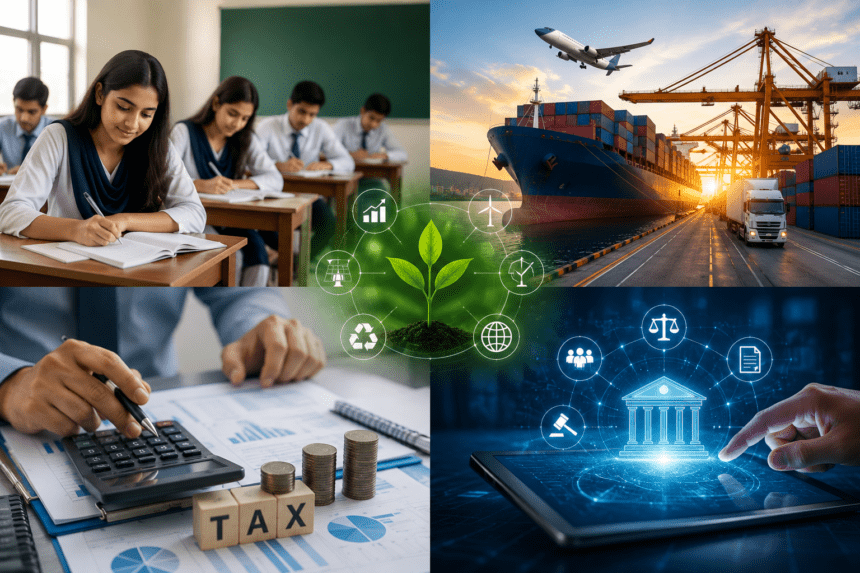
Karachi: Sustainable economic growth cannot be achieved without significant progress in education, export-led development, tax reforms, and digital governance, speakers emphasized during a policy dialogue, urging policymakers to adopt long-term structural reforms to ensure Pakistan’s economic stability and competitiveness.
The speakers stressed that improving the quality of education and equipping young people with modern skills is essential for building a productive workforce capable of meeting the demands of a rapidly changing global economy. They noted that investment in human capital should remain a national priority to drive innovation and sustainable development.
Participants also highlighted the importance of expanding exports and broadening the tax base, saying these measures are critical to strengthening the country’s economy, increasing revenue generation, and reducing reliance on external borrowing. They called for reforms aimed at improving the ease of doing business and encouraging investment across key sectors.
Emphasizing the role of technology, the speakers said digital governance can enhance transparency, improve public service delivery, and increase efficiency in government institutions. They urged authorities to accelerate digital transformation initiatives to create a more accountable and citizen-centric governance system.
The participants concluded that coordinated reforms in education, economic policy, taxation, and digital governance are essential for achieving inclusive and sustainable development. They called for greater collaboration between the government, private sector, academia, and civil society to address Pakistan’s long-term development challenges.