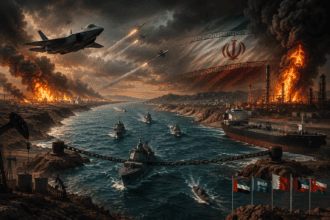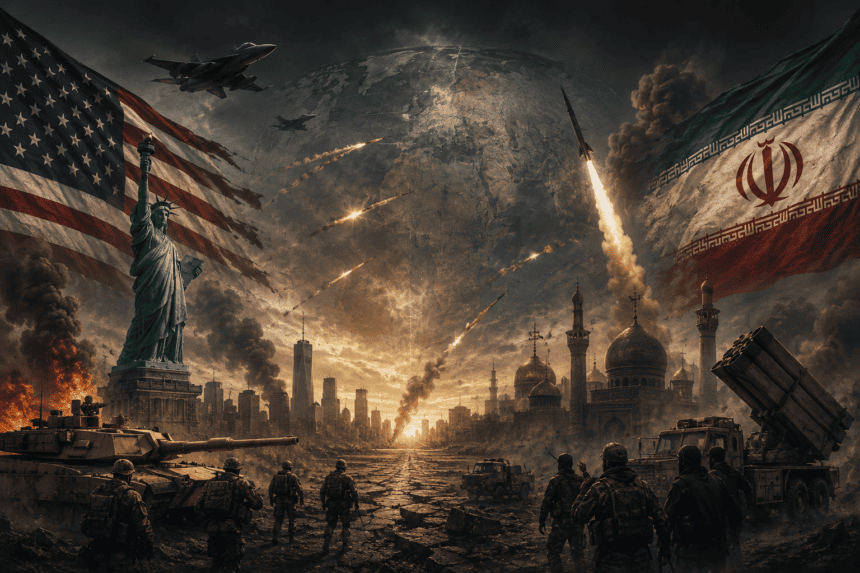
The shadow war between the United States and Iran has shattered its long-standing containment. Following a series of retaliatory strikes across Iraq, Syria, and Yemen, the two nations are locked in an escalating cycle of violence that threatens to pull the wider Middle East into a direct, large-scale confrontation.
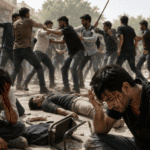
The latest round of U.S. airstrikes—targeting facilities linked to the Islamic Revolutionary Guard Corps (IRGC)—follows a deadly drone attack on a base in Jordan that killed three American service members. The Pentagon describes these operations as “proportional,” but Tehran views them as a direct violation of sovereignty, setting the stage for a volatile period of brinkmanship.
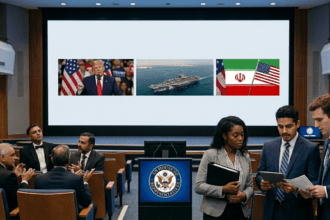
For the Biden administration, the objective is clear: deter further attacks on U.S. troops without triggering a full-scale regional war. Officials are walking a razor’s edge. Every strike meant to degrade Iranian-backed militias risks a counter-response that could force Washington into a conflict it has spent years trying to avoid.
Tehran’s strategy remains equally calculated. By utilizing a network of “Axis of Resistance” proxies—ranging from Hezbollah in Lebanon to the Houthis in Yemen—Iran exerts pressure on U.S. interests while maintaining a layer of deniability. This proxy-heavy approach allows Iran to inflict costs on the U.S. without inviting a direct American assault on Iranian soil.
The stakes are rising beyond military posturing. Global shipping lanes in the Red Sea are already disrupted, oil prices are showing sensitivity to the instability, and the diplomatic channels that once kept these tensions in check are increasingly silent.
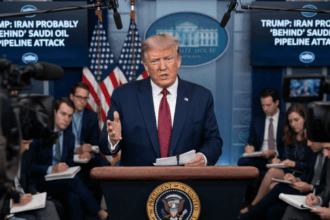
“We are not looking for a war with Iran,” a senior Pentagon official told reporters Tuesday. Yet, the reality on the ground suggests that both sides have lost control of the escalation ladder. Each retaliatory cycle brings new targets into the crosshairs, and the threshold for what constitutes a “red line” is shifting daily.
As the U.S. military prepares for further defensive operations, the question is no longer whether the cycle will continue, but how much longer either side can sustain these strikes before a single miscalculation turns a localized exchange into a regional catastrophe.