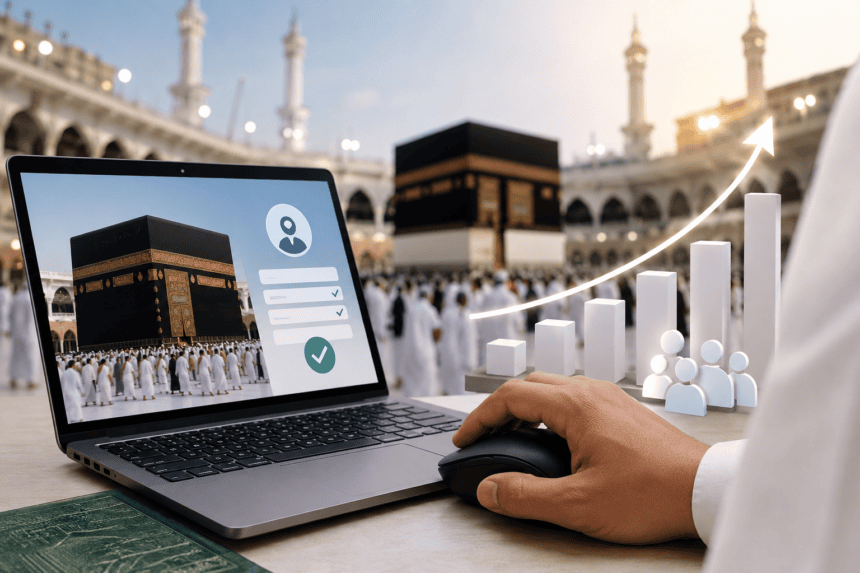
The Saudi Ministry of Hajj and Umrah has recorded over 308,000 registrations for the upcoming Hajj seasons spanning 2027 to 2030. This surge in early sign-ups underscores a shift in how pilgrims approach the journey, moving away from last-minute logistics toward structured, multi-year planning.
The digital portal, designed to streamline what was once a chaotic, paper-heavy process, is now the primary gateway for international and domestic applicants. By opening registration windows years in advance, officials are aiming to better predict infrastructure needs—from transport to crowd management—well before the first pilgrim sets foot in Makkah.
For the applicant, the stakes are high. Hajj quotas remain strictly enforced, and securing a spot through the official portal is the only legal pathway for many. The 308,000 figure represents not just intent, but a growing reliance on the ministry’s centralized electronic system to navigate the logistical hurdles of the pilgrimage.
Saudi authorities have spent the last several years pouring billions into infrastructure. The expansion of the Grand Mosque, coupled with high-speed rail links between the holy cities, serves as the backbone for this increased capacity. Yet, the sheer volume of early applicants suggests that demand continues to outpace even these massive upgrades.
“The system is built for transparency,” said a ministry spokesperson, emphasizing that the digital-first approach is intended to eliminate the black-market brokers who historically exploited hopeful pilgrims. While the technology has certainly reduced fraud, it has also turned the pilgrimage into a high-stakes digital queue.
Critics often point to the “digital divide,” noting that older applicants or those in regions with limited internet access face a steeper climb to register. The ministry maintains that they are working with regional offices to ensure those without direct digital access aren’t left behind, though the numbers suggest the tech-savvy demographic currently dominates the registration pool.
As the 2027 season approaches, these 308,000 early registrants will face the next phase of the process: document verification and financial deposits. For now, they hold a digital place in line—a small piece of certainty in a process defined by its complexity.