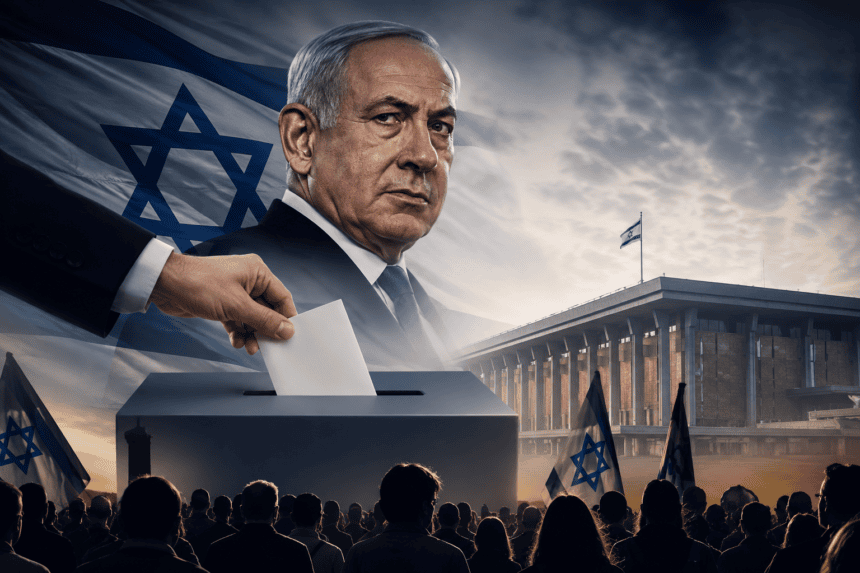
Israelis head to the ballot box on October 27 in a municipal election that has morphed into a high-stakes referendum on Prime Minister Benjamin Netanyahu’s leadership. While local councils typically focus on zoning, sanitation, and school budgets, this cycle serves as a sharp pulse-check on the national mood following months of internal fractures.
The vote arrives at a fragile moment. Netanyahu’s governing coalition faces intense public scrutiny over the proposed judicial overhaul, a policy that triggered record-breaking street protests and deeply divided the military and business sectors. For the Prime Minister, the results will serve as a barometer for whether his base remains energized or if the political backlash has begun to erode his grip on power at the grassroots level.
Opposition leaders are framing the local contests as a chance to reclaim political momentum. If candidates backed by the anti-Netanyahu bloc secure major urban centers, it could signal a shift in political gravity, emboldening critics who argue the government has lost its mandate to lead. Conversely, a strong showing for Likud-aligned candidates would provide Netanyahu with a much-needed narrative of resilience.
Turnout will be the decisive factor. Historically, municipal elections in Israel see lower participation than national parliamentary races. However, political analysts suggest the current climate of unrest may drive record numbers of voters to the polls. Every vote cast for a mayor in Tel Aviv, Jerusalem, or Haifa is now being viewed through a national lens, stripping away the traditional insulation of local governance.
“This isn’t just about who clears the trash or manages the parks,” said a veteran political strategist based in Jerusalem. “The ballot box on October 27 is where the average Israeli is going to vent their frustration—or show their support—for the direction the country is taking.”
The outcome will offer the first tangible data on how the electorate has recalibrated since the start of the year. For Netanyahu, the risk is clear: a poor performance by his party could accelerate calls for early national elections, potentially ending his record-breaking tenure as Prime Minister.
As polling stations prepare to open, the focus remains on whether the grassroots will mirror the intensity of the national protests, or if the day-to-day realities of local politics will provide a temporary reprieve from the country’s deepening political divide. The results, expected late that night, will likely set the tone for the remainder of the government’s term.