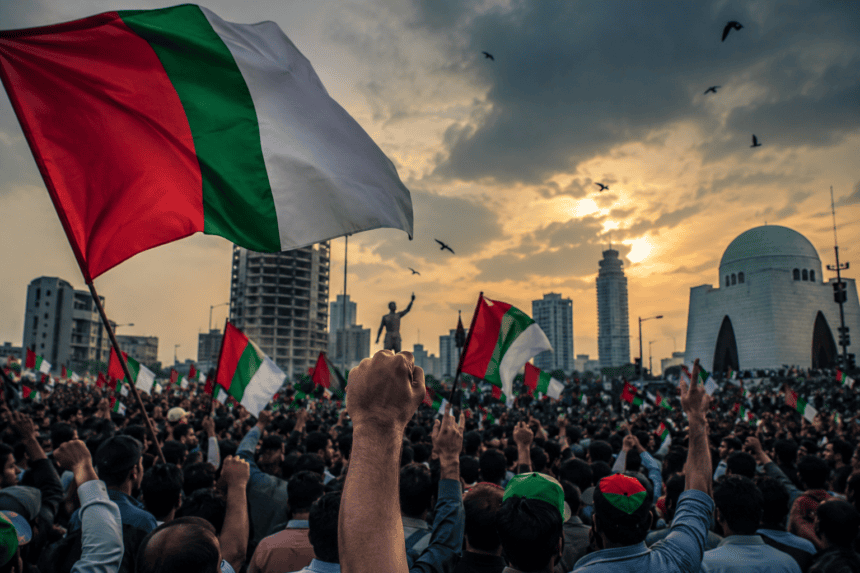
Mustafa Kamal has drawn a line in the sand. The Muttahida Qaumi Movement-Pakistan (MQM-P) senior deputy convener announced Friday that his party will launch a street-level movement on July 26 to demand what he calls “urban rights” for Karachi and other major centers in Sindh.
The announcement follows months of internal party friction and growing pressure from the MQM-P’s base, which has grown increasingly vocal about the lack of municipal progress and economic stagnation in the country’s financial hub.
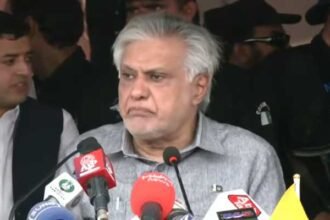
Kamal told reporters in Karachi that the protest campaign isn’t just about rhetoric. He characterized the move as a long-overdue response to the provincial government’s neglect of urban infrastructure, water distribution, and local governance powers.
“We are done waiting for the provincial administration to act on its own,” Kamal said. “The people of this city are paying the price for a broken system.”
The timing is telling. By setting a hard date, the MQM-P is attempting to reclaim political space in Karachi, where its influence has fluctuated significantly since the 2018 and 2024 general elections. The party is banking on the argument that without a decentralized power structure, Karachi will remain in a cycle of decay.
Critics, however, point to the party’s own history of local government control. Opponents argue that the MQM-P is using the protest movement as a distraction from its recent electoral setbacks and a way to pressure the provincial government for a larger share of development funds.
The protest on July 26 is expected to focus on key arterial roads, with the party leadership signaling that this is only the first phase of a broader mobilization. Whether this translates into a tangible policy shift or remains a localized pressure tactic depends on the turnout—and how the provincial government in Sindh chooses to respond.
For now, the MQM-P leadership has made its position clear: they are taking the battle to the streets, and they aren’t looking for a compromise.